
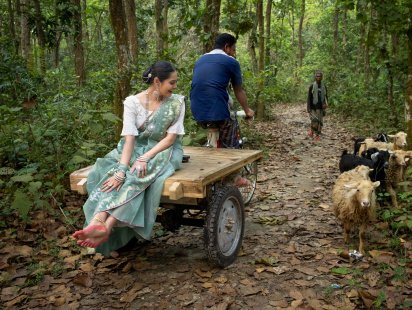


Upon arrival at our homestay in Madhupur, Tangail, the transition from city life was more than just physical distance. The rustic lodging, constructed from mud with an open kitchen, didn’t feel like a typical tourist spot but rather an authentic extension of the community. This close-knit setting provided a glimpse into the Mandi, or Garo, way of life.
During our stay, we immersed ourselves in local Mandi cuisine, observed their bamboo craftsmanship and weaving techniques firsthand, and briefly embraced their daily routine. The homestay epitomized the essence of community tourism, where travelers can engage with local culture beyond mere accommodation.
In contrast to the typical resort-centered tourism in Bangladesh, community tourism offers a unique approach to travel. It focuses not on picturesque locations but on understanding the local inhabitants who define the essence of a place.
Nafisa Tasnim, the Lead of Otithi at BRAC, emphasizes the importance of experiencing a destination’s culture, food, traditions, and festivals to truly appreciate its distinct identity. In community tourism, the emphasis is on engaging with the local community and culture, rather than solely on lodging.
Nafisa highlights that community tourism extends beyond homestays to encompass organized local participation, training, and direct community engagement. By employing community members as guides, every visitor’s experience becomes a meaningful cultural exchange, benefiting both tourists and the local community.
Community tourism aims to address the imbalance where conventional tourism often exploits local culture without adequately benefiting the community. By providing visitors with a genuine insight into local life, community tourism fosters a more ethical and sustainable travel experience.
Our time at Madhupur Homestay was not merely about hosting guests but about integrating them into the local rhythm of life. The traditional meal we enjoyed was a vital part of this immersive experience.
Prepared over a clay stove with locally sourced ingredients and traditional recipes like Goppa and Khari, the meal was a reflection of the region’s culinary heritage. The simple yet flavorful dishes served in a homely manner highlighted the importance of context in food consumption within the community tourism framework.
Madhupur’s cultural richness goes beyond its natural landscapes, with the Mandi community playing a significant role in shaping the region’s identity. Their expertise in bamboo craft and weaving has been integral to their way of life for generations.
A visit to Otithi’s Madhupur Homestay offers a glimpse into this cultural legacy and the intergenerational knowledge that sustains the community. It’s not just a visit to a place but an encounter with the traditions and practices that define Madhupur’s cultural tapestry.
Leaving Madhupur, we didn’t just remember the scenery but the profound experience of connecting with a community’s way of life. The authenticity of Mandi cuisine, bamboo weaving, Dakmanda textiles, and community hospitality left a lasting impression that transcended typical tourism experiences.
Community tourism, exemplified by BRAC’s Otithi initiative, offers a genuine and heartfelt way to explore destinations with care and mindfulness, leaving a more profound impact than conventional travel experiences.