
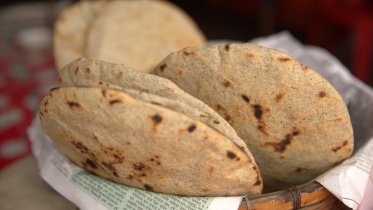


Bangladeshis are often associated with their love for fish and rice, but today we are shining a light on the humble roti. While rice dominates our meals, roti still holds its place on our tables. This flatbread universe has a rich history and philosophy that goes beyond just being a bread.
In the heart of Banani, amidst the glitzy surroundings, a man with a simple cart and clay stoves caught my attention. His traditional method of making roti stood out in a neighborhood known for its modernity. When asked about his choice of using wood and clay over modern equipment, he shared his deep-rooted connection to roti, emphasizing the soul that comes from cooking it in a clay oven.
Different types of rotis reflect our diverse geography and culinary traditions. From the robust kalai roti of the North to the delicate chita roti, each variety tells a story of its own. Whether it’s the quick fix chapati for busy urbanites or the festive luchi for special occasions, roti holds a special place in Bangladeshi cuisine.
The variety of rotis, from the Bakarkhani of Puran Dhaka to the garlic butter naan, showcases the rich tapestry of flavors and history embedded in each bite. Looking at the vast array of rotis, one can’t help but appreciate how a simple grain has evolved into a symbol of comfort and tradition for an entire civilization.