


This year, many low-income residents in the capital have experienced a less festive Eid due to economic challenges. Tania Begum, a 48-year-old resident of a slum in Bhashantek, faced difficulties celebrating the day without proper preparations. Struggling with financial constraints, Tania and others in Dhaka’s poorer communities find it hard to partake in traditional festivities.
Tania’s husband passed away 16 years ago, leaving her to support her family by working as a domestic helper. Recently diagnosed with a tumor, her health deterioration forced her to stop working. Her daughter, employed at a garment factory, has not received wages for five months, adding to their financial struggles.
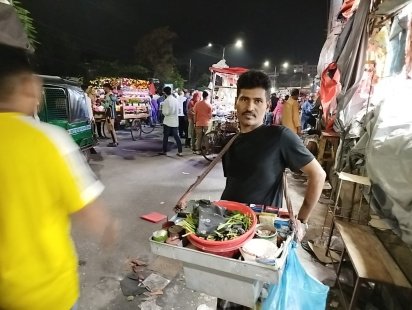
In a similar situation, Badsha Mridha, a 42-year-old betel leaf, cigarette, and chocolate seller in Mirpur-12, found it challenging to provide for his family. Despite managing to buy shoes for his family, he couldn’t afford new clothes, impacting the festive spirit.
Meanwhile, Akbar Mia, a 42-year-old rickshaw puller in Farmgate, faced a significant drop in daily earnings, affecting his ability to provide for his family of six during Eid. Due to financial constraints, he could only afford clothes for his children, leaving his wife disappointed.
These families’ struggles coincide with a backdrop of increasing inflation. Bangladesh’s overall inflation reached a ten-month high of 9.13 percent in February, with food inflation at 9.30 percent and non-food inflation at 9.01 percent. The rising costs disproportionately affect low-income households, putting pressure on their already limited budgets.