
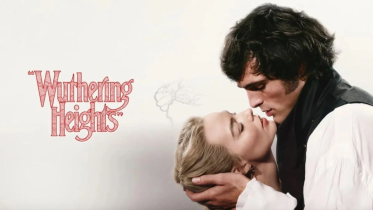


The enduring impact of “Wuthering Heights” on popular culture remains undeniable. Each new generation attempts to tame the tempestuous essence of Emily Brontë’s creation, only to be reminded of its untameable nature. In 2026, the latest adaptation of the novel emerges not merely as a literary resurgence but as a cultural battleground. Well before its debut, discussions revolving around casting choices, thematic approach, and directorial vision had already sharply divided viewers. Yet, perhaps controversy serves as the most fitting homage to Brontë’s rebellious masterpiece.
Entering the theater with a background in English literature, I braced myself for disappointment. The controversy surrounding the casting, the enigmatic statements made by director Emerald Fennell, and the tantalizingly sensual tone of the trailer all hinted at a potential misinterpretation of the novel. Many online critics accused the film of romanticizing a tale that fundamentally delves into disturbing themes of obsession and societal resentment. It appeared to be a looming catastrophe.
However, the film defies easy dismissal.
This adaptation is not a typical period romance that romanticizes suffering. It avoids overtly Gothic theatrics and instead emphasizes atmosphere. The vast moors create a sense of emotional isolation mirroring the characters’ internal struggles. The interiors exude whimsy rather than the usual somber tones seen in period dramas. The cinematography offers a contemporary perspective, elevating the narrative. Even the choice of title reflects a deliberate departure, with bright colors and historically inaccurate fashion signaling Fennell’s unique interpretation. The inclusion of a soundtrack by Charli XCX adds a modern touch that resonated deeply with audiences.
The divisive nature of this adaptation stems from its portrayal of obsession. While previous iterations highlighted cruelty, vengeance, and psychological torment, the 2026 film focuses on longing. It foregrounds the emotional yearning for the unattainable, shifting the narrative more towards romantic fatalism. The debate rages on whether this shift is a betrayal of Brontë or a valid reinterpretation.
The performances in the film carry much of the weight. Heathcliff is depicted not as a brooding hero but as a wounded individual shaped by humiliation and exclusion. His anger stems from displacement rather than sheer malevolence. Catherine, on the other hand, is portrayed as vibrant and unpredictable, oscillating between defiance and vulnerability. Their dynamic feels raw and tumultuous, reflecting a collision of ego, trauma, and desire. While Jacob Elordi and Margot Robbie deliver strong performances, the overshadowing PR tactics and age controversies somewhat diminish their impact.
The slower pacing of the film may challenge viewers accustomed to quicker storytelling. Some may find the restraint immersive, while others may feel frustrated by it.
The question remains: should we embrace or condemn it?
The answer may lie in our expectations of “Wuthering Heights.” For those who view the novel as a Gothic tragedy intertwined with social criticism, this adaptation may appear overly romanticized. However, for those who see Brontë’s work as an exploration of obsessive love as an inevitable and destructive force, this film arguably captures that essence in its own way.
Perhaps the unease surrounding the 2026 rendition speaks more about our preconceptions than the film itself. We are uncomfortable with narratives that lack clear moral resolutions. We are wary of adaptations that dare to reinterpret rather than replicate. Yet, “Wuthering Heights” has never sought to provide comfort. It challenges, provokes, and defies easy classification.
And perhaps, this version truly comprehends that essence.