


Nearly nine years have passed since the significant arrival of Rohingya refugees in Bangladesh from Myanmar in 2017. The refugee population has grown, but funding has decreased, posing challenges as opportunities for their return are scarce. Despite their strong desire to go back, the unstable conditions in Myanmar persist, leading to continued influx.
The main concern in the camps currently is the deteriorating conditions due to rising needs, dwindling funding, and limited self-support options for refugees. This strain is affecting health, water, sanitation, and shelter services, with a risk of further deterioration without sustained aid or improved livelihoods. Approximately 150 new refugees are seeking assistance weekly, contributing to a fragile situation that may lead to negative coping methods like gambling.
Various forms of gambling, including online rings, have emerged in the camps where refugees gamble to earn more but end up in debt. Some resort to selling their meagre belongings, pushing them to take dangerous boat journeys to neighboring countries. The reduced budget of $710 million in the Joint Response Plan this year is due to global humanitarian financing shortages, with only 66% of the funding secured, affecting essential services like education and health in the camps.
Shortages are also evident in sectors like LPG cooking gas and protection, leading to potential risks and insecurity in the camps. Creating income opportunities within the camps through small businesses has been proposed to reduce dependency on aid and enhance self-sustainability. The UNHCR is increasingly collaborating with national NGOs to lower operational costs and improve efficiency.
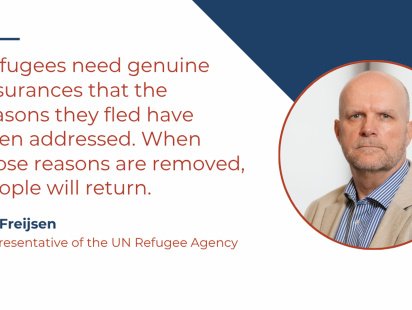
Ongoing conflict and various challenges in Myanmar, including the presence of the Arakan Army in Rakhine State, continue to drive people to flee, seeking safety and better livelihoods. Sustainable repatriation requires dialogue and addressing root causes, ensuring refugees can return safely and rebuild their lives. Civil society and academic dialogues are encouraged to facilitate peace efforts and support the return of refugees.
In conclusion, it is crucial for the international community and regional partners to continue supporting humanitarian efforts, explore livelihood options, and engage diplomatically to address the crisis in Myanmar and ensure the well-being and safe return of the Rohingya refugees.