
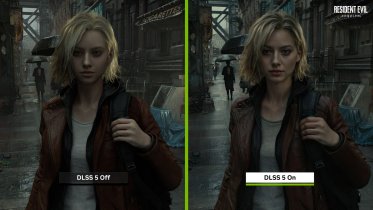


Nvidia recently unveiled DLSS 5, a novel artificial intelligence innovation aimed at elevating the visual authenticity of video games. This cutting-edge technology utilizes an AI model to create lifelike lighting and materials instantly as players engage in gameplay. By analyzing game frames, DLSS 5 enriches visuals with elements like realistic lighting, reflections, and intricate textures on various aspects such as characters, hair, fabric, and skin.
This update is hailed by the company as a groundbreaking leap in computer graphics, surpassing even the advent of real-time ray tracing back in 2018. Unlike conventional rendering methods that demand substantial computational resources, DLSS 5 strives to enhance graphics quality while ensuring seamless performance even at 4K resolution.
The system is meticulously trained to interpret intricate scene components and ambient lighting scenarios, producing images that harmonize with the original 3D content. Game developers retain the flexibility to fine-tune the degree and implementation of enhancements to uphold each game’s distinct visual identity.
Nvidia reports that renowned game developers, including Bethesda, CAPCOM, Ubisoft, Tencent, and Warner Bros. Games, have pledged their support for this technology. Anticipated titles set to showcase DLSS 5 include Starfield, Assassin’s Creed Shadows, Resident Evil Requiem, Hogwarts Legacy, and The Elder Scrolls IV: Oblivion Remastered.
Originally introduced in 2018 as a tool to enhance performance by upscaling resolution and generating frames, DLSS has made its way into over 750 games, marking a significant integration milestone in the gaming industry.