


The essence of Eid ul Adha revolves around the tradition of animal sacrifice. Exploring cattle markets, arranging for butchers, and distributing meat to loved ones and those in need add an element of excitement to the occasion. For Bangladeshis residing abroad, celebrating Eid can be a different experience, particularly in Western countries where stringent animal welfare laws and hygiene standards govern the slaughtering process.
Non-resident Bangladeshis (NRBs) shared their diverse emotions and experiences of performing Qurbani rituals away from their homeland. When Jubair Al Sakib conducted his first Qurbani in Sydney, Australia in 2022, he was unprepared for what awaited him. Back in Dhaka, his father handled all Eid rituals, including market visits and butcher arrangements. In Australia, Sakib and his brother-in-law went to a local slaughterhouse without prior knowledge of the meat yield from an average Australian cow. To their surprise, they received a substantial 140 kilograms of beef the day after Eid.
Overwhelmed by the surplus meat, Sakib and his wife sought the help of a familiar acquaintance to distribute the excess beef. The acquaintance, facing storage constraints, resorted to storing the meat in her bathtub for preservation and later preparation using traditional cooking methods. Subsequently, Sakib generously shared the remaining meat with fellow Bangladeshis in a bustling South Asian neighborhood, where his car trunk emptied within minutes.
As Sakib adapted to his Australian surroundings, he opted to obtain meat from a Lebanese shop where the slaughtering and packaging services catered to his needs efficiently. Despite the convenience, Sakib still upholds the tradition of giving Qurbani in Dhaka for charitable purposes.
Reflecting on the cost of a cow or goat share, Sakib mentioned the fluctuating prices in Sydney, with an Arab butcher quoting 340 AUD for a cow share, 340 AUD for a lamb, and 320 AUD for a goat. As an assistant store manager at Telstra, Sakib recently relocated to Queensland, prompting uncertainties about this year’s Eid festivities.
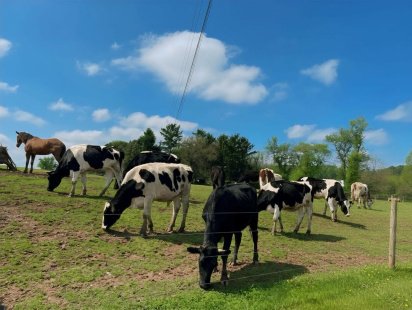
Similarly, Shamimul Islam, a Pennsylvania resident and software engineer, recounted his journey of organizing Qurbani rituals in the US. Collaborating with like-minded individuals through social media groups, Islam found a practical solution to share the cost and meat yield of a mature Angus cow, a breed renowned for its quality beef. Visiting a family-owned farm in Mohrsville, Pennsylvania, Islam highlighted the popularity of such sites among Muslims from various states during Eid ul Adha.
Islam emphasized the increased costs post-pandemic, indicating that a cow share now ranges between 550 and 600 USD, inclusive of cutting charges. Moreover, he contributes a portion of the meat to the local mosque for distribution among refugees in need.
In the UK, Dr. Golam Murshed Parosh, a senior data engineer, reminisced about his initial lamb sacrifice experience during Qurbani in the UK. Residing in Ipswich, England, Dr. Murshed detailed the pricing of sheep meat in his area and the pre-Eid booking process with halal shops for animal orders.
Dr. Murshed highlighted the systematic approach to Qurbani in the UK, involving approved suppliers sourcing animals from farms, adhering to Islamic guidelines and UK regulations for slaughter, processing, and delivery. Despite the structured process, Dr. Murshed expressed nostalgia for the lively ambiance of Bangladeshi cattle markets during Qurbani Eid, contrasting it with the more transactional nature of the ritual in the UK.
While non-resident Bangladeshis yearn for the vibrant traditions of their homeland during Qurbani, they adapt to local regulations and customs to observe the sacred ritual in distant lands. Celebrating Eid away from Bangladesh presents unique challenges and adjustments, yet the spirit of giving and communal sharing remains a central theme for NRBs worldwide.