
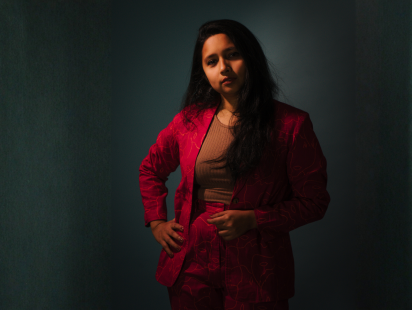


Bengali culture has a rich tradition of creativity showcased through intricate handcrafted textiles and vibrant patterns. The skilled craftsmanship of Bengali artisans weaves narratives into each creation, giving them a unique life of their own. Over the years, Bengali women have played a significant role in elevating the fashion industry to a global platform, yet pursuing creativity as a profession continues to be a challenging endeavor.
In Bangladesh, creative pursuits are often relegated to a secondary status, with individuals encouraged to engage in them only as hobbies alongside their more “stable” occupations. Women, in particular, encounter numerous obstacles such as uncertain career prospects and external discouragement when striving to establish themselves in the fashion and design realms. This overlooks the deep-rooted creative heritage that Bengali women have cultivated long before the emergence of modern fashion trends.
Many Bengali women’s creative journeys began not as intentional career paths but as a natural expression of their curiosity and ambition. Tasnim Ferdous, for instance, discovered solace in her artistic endeavors and gradually turned her passion for design into a thriving business venture. Starting as a small-scale project, her initiative, Wearhouse, evolved into a customer-centric design platform that garnered significant success.
In 2021, Tasnim relocated to Canada to pursue further education while continuing to operate her business from Bangladesh. Reflecting on her experiences in the creative industry, she highlighted the lack of diversity she encountered and expressed her desire to pave the way for future generations of creatives, particularly those from underrepresented backgrounds.
A growing number of women in Bangladesh are now embracing creative careers not only as a means of artistic expression but also as a pathway to financial independence. Whether through establishing independent fashion brands, launching online businesses, or leveraging social media platforms like Instagram, these women are leaving a lasting impact on the creative landscape.
Despite the allure of creative professions, challenges such as financial instability and a lack of recognition persist, especially for women in the field. Women of color, including Bengalis, face additional hurdles in the global creative sphere, emphasizing the importance of representation and breaking down existing barriers.
Tasnim’s aspirations extend beyond personal success as she envisions a future where Bengali designs transcend borders and gain global recognition. Her optimism stems from a desire to empower creative Bengali women and provide them with opportunities to showcase their art on a global scale.
For many Bengali women like Tasnim, creative expression serves as a bridge between honoring their heritage and shaping their future. This evolving narrative signifies a shift where creativity is no longer sidelined but rather embraced as a powerful tool for claiming space and influencing the global creative narrative.
In essence, women entering artistic fields not only forge their professional paths but also craft new stories that enable them to establish their unique forms of artistic expression, shaping the creative landscape for generations to come.