
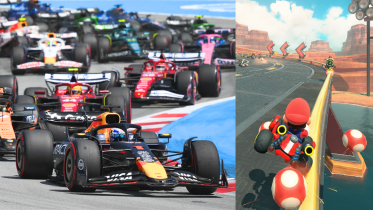


In a scenario reminiscent of a video game glitch, the 2026 Formula 1 season has taken an unexpected turn, transforming the pinnacle of motorsport into a high-stakes energy management challenge. With a groundbreaking regulation change mandating a 50/50 power split between traditional combustion engines and new electric batteries, the sport aimed to attract major car manufacturers and enhance competition.
However, as the season unfolded, it became apparent that the focus had shifted from pure speed and skill to energy conservation tactics. Drivers found themselves juggling the demands of harvesting energy to prevent battery depletion, leading to a strategic battle rather than a test of driving prowess. The new racing environment was likened to a ‘battery championship,’ where success hinged more on managing energy reserves than on traditional racing dynamics.
The core of the issue lies in the redesigned engines that now rely equally on fuel and electric power sources. To accommodate the added weight of the batteries, cars were downsized and equipped with advanced active aerodynamics, replacing the conventional Drag Reduction System (DRS). This shift introduced a Manual Override Mode, allowing drivers to access short bursts of electrical power for overtaking opportunities.
Despite the theoretical appeal of eco-friendly, faster cars, the practical implications have led to a disjointed racing experience. Drivers must constantly adjust their driving to recharge the battery, disrupting the flow of races and diminishing the thrill of wheel-to-wheel battles. The absence of the MGU-H component, which previously maintained battery charge, has exacerbated the challenge of energy management, forcing drivers into a cycle of acceleration and deceleration to optimize battery usage.
Criticism from drivers, including prominent figures like Charles Leclerc and Max Verstappen, underscores the frustration with the current state of Formula 1 racing. The shift towards energy conservation has not only dampened the enjoyment for drivers but also raised safety concerns, as seen in incidents like Oliver Bearman’s dramatic crash at the Japanese Grand Prix.
While the intention behind the 2026 regulations was to promote sustainability, the unintended consequence of prioritizing energy management poses a threat to the sport’s authenticity and appeal. Teams are scrambling to address the issues through software adjustments, but a comprehensive solution may require more substantial changes that cannot be implemented mid-season. The FIA has acknowledged the need for a review but cautions against premature speculation on potential revisions, emphasizing the complexity of the process and the importance of thorough analysis before any adjustments are made.