


As the frequency and intensity of heatwaves increase, protecting yourself and your community goes beyond just avoiding sunlight. This comprehensive guide compiles practical tips for safeguarding against extreme heat through prevention and awareness. Implementing minor adjustments can significantly aid in dealing with high temperatures.
Proper hydration is crucial for maintaining health during heatwaves. Regular water intake aids the body in regulating its temperature. Health professionals recommend staying hydrated throughout the day rather than waiting until feeling thirsty, as thirst indicates dehydration. Oral rehydration solutions and electrolyte drinks are beneficial on extremely hot days.
Clothing selection plays a vital role in managing heat. Opt for light-colored, loose-fitting garments to allow air circulation and aid in keeping the body cool. Cotton fabrics are particularly advantageous as they absorb sweat and promote evaporation. Avoid tight, dark clothing and velvet materials that can retain heat.
Minimizing outdoor activities during peak heat hours is essential. The sun’s intensity peaks between late morning and mid-afternoon. If feasible, schedule outdoor tasks for early morning or evening. When outside, use sunscreen, umbrellas, hats, or scarves for protection against direct sunlight.
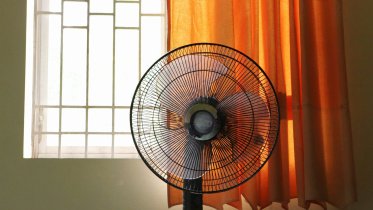
Maintaining cool indoor spaces is equally important. Employ fans, keep curtains closed during peak sunlight, and ensure adequate ventilation to reduce indoor heat. Taking cool showers or applying a damp cloth to the body can help lower body temperature. Simple measures like turning off unused electrical appliances also help manage indoor heat.
Nature-based solutions can have a positive impact. Planting trees around homes or structures provides shade and lowers surrounding temperatures. Even small balcony gardens or potted plants can contribute to cooling the environment. Rooftop gardening is gaining popularity in urban areas for reducing heat absorption and enhancing air circulation.
Indoor plants can also assist in creating a cooler atmosphere. While they may not drastically reduce room temperature, plants like aloe vera, areca palm, snake plant, and peace lily enhance air quality and promote a fresher indoor environment, making rooms more comfortable during hot weather.
Local practices such as pouring water on rooftops during peak heat hours are effective in cooling down concrete surfaces that otherwise retain heat and elevate indoor temperatures. Temporary shading options like bamboo covers, cloth sheets, or rooftop sheds can block direct sunlight and lessen indoor heat.
Dietary habits can impact how the body copes with heat. Consuming light meals rich in fruits and vegetables aids in maintaining hydration and energy levels. Foods with high water content, such as watermelon, cucumber, and oranges, are particularly beneficial. Heavy, oily, or spicy foods should be limited during extreme heat.
Extra attention should be given to vulnerable populations. Children, the elderly, pregnant women, and individuals with existing health conditions are more susceptible to heat-related issues. Since they may not always recognize early symptoms, regular monitoring is crucial. Ensuring they stay hydrated and cool can prevent severe health complications.
Making simple adjustments to daily routines can reduce heat exposure. Taking regular breaks, avoiding excessive exertion, and resting in shaded or cooler areas are key practices. Carrying water, using handheld fans, or employing a wet towel can offer quick relief when necessary.
In the event of someone displaying signs of heatstroke, immediate action is imperative. Move the individual to a cooler location, loosen tight clothing, and provide water if conscious. Cooling the body with wet cloths or fanning can aid in temperature reduction. If symptoms persist, seek medical assistance promptly.
Community awareness is vital in mitigating the impact of heatwaves. Checking on neighbors, especially the elderly, and sharing information can prevent emergencies. Collaborative efforts can minimize the overall consequences of heatwaves in densely populated regions.
Prevention is preferable to treatment. Although heatwaves present a growing challenge, raising awareness and implementing basic measures can help manage their effects. From staying hydrated and choosing appropriate clothing to planting greenery and cooling rooftops, small steps can have a significant impact. Consistency in protecting oneself and others is key to ensuring safety during extreme heat conditions.