
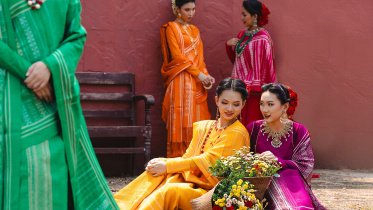


In Bangladesh, celebrations are a vibrant tapestry of colors, rich in emotion, memory, and cultural identity. Each festival is a unique experience marked by a spectrum of hues that evoke deep feelings. Whether it’s the gentle hues of spring, the lively atmosphere of Bengali New Year, or the radiant nights of Eid and Puja, color serves as the language and ambiance of festivity.
The festivities commence with Falgun, a time when the country gracefully transitions into celebration mode. The color palette is soft, with shades of yellow reminiscent of mustard fields, marigold orange, and hints of green symbolizing new beginnings. Unlike other festivals, Falgun seems to draw inspiration directly from the surrounding landscape. It exudes optimism akin to the warmth of the sun after a cold winter, focusing more on rejuvenation where colors mirror nature rather than overshadowing it.
In contrast, Pahela Baishakh discards this restraint entirely. While Falgun whispers, Baishakh proclaims loudly. Traditionally, red and white symbolize purity, hope, and new beginnings. However, over time, Baishakh has evolved beyond these classic colors into a more dynamic celebration of brightness. The streets transform into vibrant canvases adorned with vivid yellows, blues, striking oranges, and lush greens, creating a visually stimulating environment. Baishakh represents a fusion of tradition and modernity, reflecting contemporary Bangladesh.
Concurrently, the Boishabi festival celebrated by indigenous communities in the Chittagong Hill Tracts offers a different yet equally captivating display of colors. Unlike the structured palettes of mainstream festivals, Boishabi embraces fluidity in its use of color, drawing inspiration from water, flowers, and the surrounding hills. The vibrancy of Boishabi emerges through rituals that emphasize cleansing, transition, and harmony with nature, reinforcing the connection between color and the land.
As the year progresses, Eid introduces a different chromatic expression, characterized by rich jewel tones, metallic accents, and a sense of warmth that shines during evening celebrations. Durga Puja, on the other hand, stands out as one of the most visually immersive festivals in Bangladesh, blending intricate color palettes with sacred symbolism and artistic grandeur.
The rising popularity of Christmas in Bangladesh over the last decade has brought a universal language of festive colors, such as reds, greens, whites, and gold, seamlessly integrated into the local context. Festivals in Bangladesh transcend religious boundaries, inviting participation and connection from people of all backgrounds, fostering a cultural landscape where color acts as a unifying force.
Central to these celebrations is a deep-rooted connection to nature, as festival colors often reflect seasonal changes, agricultural cycles, and the natural world. From the yellows of spring blossoms to the reds of summer heat, from the earthy tones of harvest to the cool hues of winter, colors mirror the environment, giving Bangladeshi celebrations authenticity and a sense of exuberance grounded in tradition.
Ultimately, the colors of Bangladesh’s festivals narrate tales of change and continuity, individuality and unity, tradition, and innovation. They embody the essence of celebration, marking moments vividly, memorably, and collectively, capturing the spirit of festivity in a way that only color can in Bangladesh.