
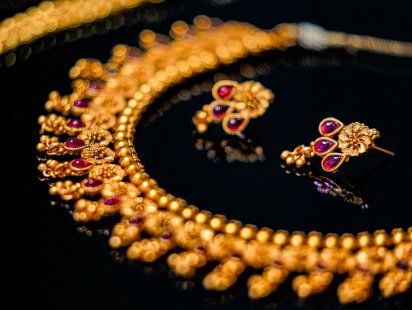


The sentiment and cohesion of a family are vividly displayed by the fluctuating price of gold leading up to wedding season. Forget about inflation reports, stock markets, and economic indicators. To truly grasp the psychological state of the Bangladeshi middle class, observe a mother of the bride in a Dhaka jewelry store fixated on a necklace set, resembling a negotiator in a hostage situation.
In South Asia, gold transcends being mere jewelry. It embodies emotions, reputation, and the anxiety of motherhood materialized into metal. A Bengali wedding devoid of gold is met with grave concern akin to a national crisis. Whispers circulate, elderly relatives turn into investigative journalists, and a concerned aunt may discreetly inquire, “Is this all they gave?” Thus, families find themselves emotionally ensnared by a mere mineral.
Weddings officially symbolize love, blessings, and unity, but unofficially, they also entail ensuring the bride receives sufficient gold to appease critical relatives who contributed nothing but opinions and heartburn. The challenge lies in the fact that gold prices now resemble diabolically designed cryptocurrency charts. With each new announcement of rising gold prices, fathers across Bangladesh recalibrate their stress levels in silence.
Meanwhile, jewelry shops exude confidence, knowing that desperation can be profitable. Enter one, and you may hear terms like “lightweight collection” describing items worth a small agricultural economy. The saleswoman may casually comment, “This piece is quite simple.” Simple, yet the necklace appears capable of financing major infrastructure projects. Nevertheless, weddings persist.
Bangladeshi society has mastered the art of inflicting financial stress for aesthetics. Families without access to therapy, retirement plans, or savings accounts manage to produce numerous jewelry trays for weddings, as social embarrassment remains a prevalent currency.
The role of gold in matrimonial negotiations is theatrically nuanced. No one explicitly demands the bride brings gold, as that would seem crass. Instead, a cultural dance is performed around the topic, emphasizing tradition and voluntary contributions.
Women bear the brunt of this performance, expected to shimmer like a human reserve bank. While a groom may arrive with limited emotional intelligence and a passion for leadership, the bride must adorn herself with gold bangles, chains, earrings, and dignity. Women are expected to wear family wealth visibly while being denied equal financial empowerment.
Many brides possess gold but lack property, land, or economic security. Mothers continue to purchase gold for their daughters out of genuine love and intertwined fear.
For many South Asian women, gold historically served as emergency security during unstable marriages or financial crises. However, in contemporary Bangladesh, this survival mechanism has evolved into competitive theatrics. Weddings now resemble opulent showcases fueled by generational anxiety, with elaborate decorations and scrutinized jewelry.
Once celebrated through poetry, love is now overshadowed by metallurgical assessments conducted over traditional biryani. The tragedy of the modern Bangladeshi wedding economy lies in the overshadowing of marriage by presentation. What was once a union between two individuals has transformed into a grand spectacle involving financial battles, social displays, and an excessive amount of gold.
Despite escalating prices and economic strains, jewelry stores will remain bustling during the next wedding season. In Bangladesh, while love may be priceless, marriage apparently comes with a tangible price tag.