
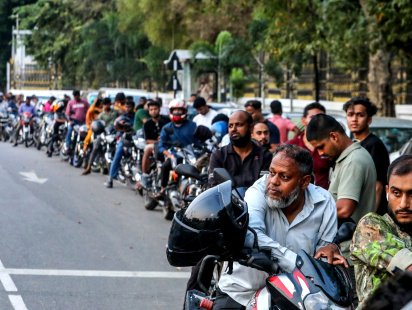


A month and a half has elapsed since the commencement of the Middle East conflict impacting Bangladesh’s energy sector. Despite the government’s efforts to import fuel oil and LNG from various channels, there has been a failure in ensuring efficient distribution nationwide. While authorities claim sufficient stockpiles and reports indicate the continuous arrival of fuel shipments, the situation on the ground tells a different story. Consumers continue to face hardships with long queues at gas stations, dwindling public transport services due to diesel shortages, and inadequate fuel supply for farmers and fishermen. The disconnect between the government’s fuel reserves and public accessibility is evident, highlighting mismanagement within the fuel supply chain.
The energy crisis has further escalated with a decline in electricity generation, resulting in daily load shedding exceeding 2,000 megawatts, predominantly affecting rural areas. Despite initial assurances of stable fuel prices post-Middle East conflict, the government has recently raised prices across all fuel types, with diesel prices hitting a record high of Tk 115. This price hike has triggered a ripple effect on transportation costs, leading to increased fares for goods carriers, ultimately impacting the cost of agricultural and industrial goods.
The government’s decision to increase fuel prices has sparked debates on the economic implications of essential goods’ pricing dynamics. The inelastic demand for essential items like fuel, food, and medicine means that price increases do not deter consumption but rather lead to hoarding and inflation. The recent fuel price surge has not only raised transport costs but also heightened the overall cost of living for the public, despite Bangladesh Petroleum Corporation’s significant past profits.
Calls for the government to retract the price hike and utilize past profits to subsidize fuel costs during crises have emerged. Emphasizing the need for a disciplined fuel supply system, suggestions include implementing transparent digital fuel pass systems in urban areas and manual fuel card systems for rural farmers. Failure to address the domestic fuel distribution challenges will only exacerbate public woes amid the global energy crisis.
The intricate dynamics of fuel pricing, profits, and government revenue from the energy sector underscore the necessity for a strategic approach to managing fuel crises and mitigating public hardships. The focus should be on enhancing transparency, efficiency, and equitable access to fuel resources to alleviate the burden on the populace during challenging times.