
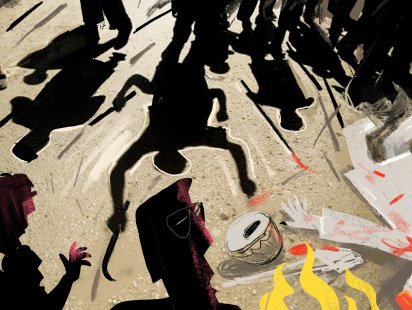


In Shahbagh, a group of friends gathered at a tea stall one evening on April 10, amid the city’s usual buzz and the upcoming Pahela Baishakh celebrations. Their presence attracted attention, leading to an incident under the banner of “Azadi Andolon” with escalating slogans and eventually turning into violence near the Shahbagh Police Station.
The next day in Kushtia, a Sufi pir was tragically killed at his dargah after an old video circulated, triggering religious sensitivities. Despite police presence and prior warnings, the incident unfolded, highlighting a concerning trend of anticipation failing to prevent such occurrences.
The recurrence of these incidents paints a troubling picture of familiar patterns in Bangladesh. Allegations of “hurting religious sentiments” have become a contentious issue, fueled by vague laws like the former Digital Security Act that make subjective offenses actionable without concrete evidence of harm.
During Sheikh Hasina’s tenure, the misuse of such laws led to numerous cases targeting individuals based on unverifiable claims, totaling 528 cases related to “hurting religious sentiments” as of early 2024. This trend blurred the lines between genuine offense and manipulated outrage, often resulting in violence against communities and individuals without proper accountability.
Following the post-uprising period, a resurgence of conservative forces further exacerbated societal tensions, enabling acts of violence under the guise of religious protection. Incidents like the brutal attack on Dipu Chandra Das and desecration of shrines across the country underscored the erosion of communal harmony and the rise of vigilantism.
The interim government witnessed a surge in mob violence, with over a hundred mazars and shrines targeted and a rise in mob-related deaths. The government’s response to these incidents, including temple violence and cultural suppression, raised questions about its ability to address the underlying issues effectively.
These events signify a shift towards a new political landscape where individuals dictate societal norms through coercive actions, undermining the fabric of communal coexistence. The rise of microfascism, characterized by decentralized acts enforcing moral codes under religious pretext, signals a societal shift towards authoritarianism and intolerance.
Addressing these challenges requires not only holding perpetrators accountable but also confronting the underlying transformation towards punitive social behaviors. Recognizing and combating microfascism in everyday life is crucial to preserving pluralism and diversity within society, urging a collective reckoning with oppressive tendencies ingrained in societal norms.