


Parents experience different emotions and perspectives on Eid depending on their children’s life stages. From the excitement of dressing up a firstborn for the festival to the adjustments when children grow older or move abroad for studies, each phase brings unique moments for parents.
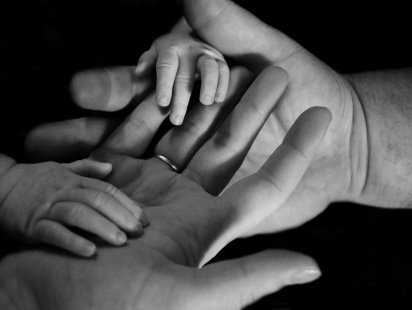
The first Eid after becoming a parent holds special significance, marking a shift in the festival’s meaning. Parenthood introduces new traditions and responsibilities, enhancing the emotional depth of Eid celebrations.
As children grow, the dynamics of Eid change. Teenagers may have their own plans, spending less time with family during the festival. While parents feel proud of their children’s independence, there can also be a sense of nostalgia for the past.
The absence of a child studying or working abroad can create a quiet atmosphere during Eid, highlighting the impact of their physical presence. Similarly, a daughter’s marriage signifies a significant change, with the first Eid after her wedding evoking mixed emotions for parents.
Grandparents bring a renewed energy to Eid, creating a lively atmosphere with multiple generations celebrating together. Despite the evolving dynamics, the essence of Eid remains constant, symbolizing the ever-changing lives of parents each year.