
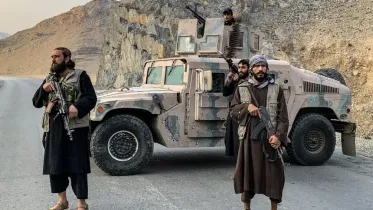


Geopolitical factors have led to the current conflict between Pakistan and Afghanistan, which erupted on February 27 after years of escalating tensions. Pakistan conducted airstrikes on Taliban targets in Afghanistan’s major cities, leading to a declaration of “open war” by Pakistan’s defense minister. This marked Pakistan’s most extensive bombardment of the Afghan capital and its first airstrikes on Taliban strongholds since the group’s return to power in 2021.
The roots of this conflict can be traced back to Pakistan’s strategic support for the Taliban following their ousting by US and NATO forces in 2001. Pakistan saw the Taliban as a means to exert influence in Afghanistan and counter Indian interests. However, this support backfired as Afghanistan viewed Pakistan with suspicion, perceiving it as an intrusive manipulator of Afghan sovereignty.
The recent escalation stems from Pakistan’s accusations of Afghanistan harboring Tehrik-i-Taliban Pakistan (TTP) fighters who have carried out attacks within Pakistan. The TTP poses a significant security threat to Pakistan, with militant attacks causing numerous casualties in recent years.
The conflict intensified as Afghan Taliban forces launched attacks on Pakistani border positions in retaliation for alleged Pakistani airstrikes on militant camps in Afghanistan. Pakistan responded with a significant escalation, targeting Taliban military facilities in various Afghan cities. This escalation has transformed sporadic skirmishes into a full-blown conflict.
Pakistan holds a military advantage over Afghanistan on paper, boasting superior troop numbers, advanced weaponry, and a nuclear arsenal. In contrast, Afghanistan’s military primarily consists of Taliban fighters with limited air capabilities. However, the Taliban’s strength lies in their ideological cohesion and experience in asymmetric warfare, as demonstrated by their resilience against formidable opponents.
Beyond military considerations, the conflict is fueled by deep-rooted ideological and nationalistic differences. Pakistan perceives itself as a sovereign state under threat from Afghan-based insurgency, while the Taliban view themselves as victorious in a divine struggle, guided by faith rather than conventional diplomacy.
The conflict between Pakistan and Afghanistan is not merely a battle between neighboring states but a clash between shared cultures, histories, and identities. The tragedy lies in the breakdown of trust and the realization that proximity does not guarantee peace in a region where mutual suspicion has become the norm.