
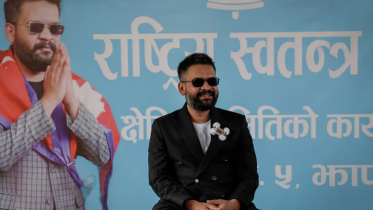


Nepal is gearing up for its upcoming national election, marking the first electoral event since youth-led protests brought down the government of then-Prime Minister K.P. Sharma Oli in September. Scheduled for March 5, the election will see significant participation from nearly 19 million of Nepal’s 30 million citizens eligible to cast their votes to elect the 275-member assembly.
Following last year’s protests that resulted in 77 fatalities and over 2,000 injuries, approximately one million new voters, predominantly youth, have been added to the electoral roll. While 165 seats will be decided through direct contests, proportional representation will determine the allocation of the remaining seats based on the parties’ share of votes. A total of 65 political parties are vying for positions in the election.
Key issues at stake in the upcoming election include combating corruption and addressing the pressing need for job creation, particularly with around 20% of the population living below the poverty line and experiencing high levels of youth unemployment. Additionally, the election will play a crucial role in shaping Nepal’s relations with neighboring countries India and China, both of which are vital trade partners. India currently dominates Nepal’s international trade, while China has also provided substantial financial assistance to the country.
Among the prominent contenders for the prime ministerial position is Balendra Shah, a former Kathmandu mayor and rapper-turned-politician from the centrist Rastriya Swatantra Party. Another notable candidate is the four-time prime minister K.P. Sharma Oli, aged 74, representing the Communist Party of Nepal (Unified Marxist–Leninist) and aiming to regain power despite facing challenges in winning back the youth vote that led to his ousting six months ago. Other significant candidates include Gagan Thapa, 49, from the centrist Nepali Congress party, and Pushpa Kamal Dahal, 71, a three-time prime minister now heading the Nepali Communist Party.
Notably, Oli has a history of liberal communist ideologies dating back to the 1990s, while Dahal previously led a Maoist insurgency for ten years before transitioning to mainstream politics in 2006.