


Following devastating flooding in Indonesia, the government has taken unprecedented action against companies accused of exacerbating the environmental destruction that led to the disaster. Despite these measures, environmentalists remain concerned that the current response may not effectively address the root issues.
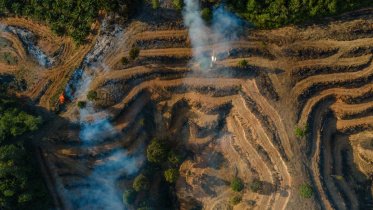
Authorities, including President Prabowo Subianto, have acknowledged the impact of deforestation and overdevelopment on last year’s catastrophic flooding and landslides in Sumatra, which claimed the lives of over 1,000 individuals. The clearance of vast areas of Indonesian rainforest for mining, plantations, and fires has significantly reduced the natural ability of trees to absorb rainwater and stabilize soil.
During this year’s World Economic Forum, President Prabowo emphasized Indonesia’s newfound focus on “protecting the environment and nature.” As a result, numerous companies have had their permits revoked, and the government is reportedly transferring management of approximately one million hectares of land to a state enterprise.
Despite initial plans to include the Martabe gold mine, which has faced accusations of environmental harm, in the state-led management, officials are currently reviewing potential violations at the site. However, there has been no indication of halting development in highly affected and ecologically fragile regions like Batang Toru, home to the critically endangered tapanuli orangutan.
Conservationists have urged for a development moratorium in Batang Toru to safeguard the dwindling tapanuli orangutan population. Satellite data indicates that nearly 60 orangutans may have perished due to habitat loss and the recent disaster, which experts describe as an “extinction-level event.”
The loss of 4.4 million hectares of Sumatran forest between 2001 and 2024 has left the region susceptible to landslides and floods, as highlighted by conservation group Mighty Earth. Concerns persist that the government’s transfer of operations to a state-backed entity may not guarantee improved environmental practices, potentially prioritizing production over conservation efforts.
While the government has initiated lawsuits seeking around $300 million from six implicated companies for environmental recovery, experts stress that additional funds and accountability measures are necessary for effective remediation. Despite the heightened public awareness of deforestation in Indonesia following the disaster, ongoing large-scale deforestation projects, such as the food and energy plantation plan in South Papua, have yet to be halted.