


The national budget may appear distant from everyday routines, but its implications often resonate in medical bills, grocery shopping, educational settings, and household financial management. While economists analyze revenue and expenses, regular individuals are more attuned to how the budget will touch their day-to-day existence.
The proposed budget encompasses various initiatives that could impact healthcare, education, technology, food prices, and job prospects. Rather than focusing on economic intricacies, most people will experience these changes through their monthly expenditures and lifestyle decisions.
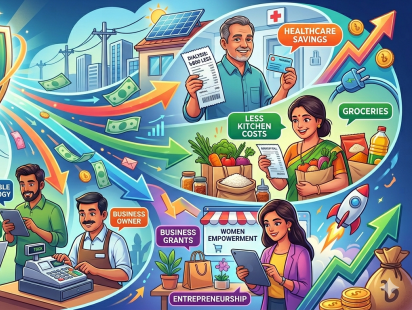
An essential aspect of the budget is its potential benefits in the healthcare sector. The government has suggested reductions in taxes and duties on a range of medical items, such as dialysis equipment, cancer medications, heart stents, and pharmaceutical raw materials. Notably, the decrease in costs related to dialysis treatment is highlighted. As per the budget details, expenses for dialysis sessions are expected to decrease by approximately Tk 800 per session.
For many patients, dialysis is not a one-off event but a recurring necessity. Those undergoing multiple sessions monthly could save a significant sum over a year. These savings might assist families in covering transport expenses, buying medications, or meeting other household financial commitments. Thus, the affordability of healthcare plays a crucial role in financial stability and overall well-being.
Furthermore, the budget could offer relief in the realm of food expenses. Several food-related products, including dates, spices, rice bran oil, and specific imported food items, are anticipated to see price reductions. While a single product’s cost decrease may seem minor, the collective impact on a family’s grocery bill can be substantial.
For numerous households, food costs represent a substantial portion of monthly outlays. Lower prices on commonly used items can alleviate budget constraints and enable families to allocate funds to other necessities. Over time, small savings can have a more significant effect than initially perceived.
Moreover, technology accessibility may improve due to reduced taxes on items like laptops, desktop computers, printers, and locally produced mobile phones. In the contemporary era, these devices are no longer luxury goods but essential tools for education, communication, work, and business endeavors.
A more reasonably priced laptop can enable a student to participate in online classes, empower a freelancer to attract clients, or assist a small business owner in enhancing operational efficiency. Therefore, the economic implications extend beyond the purchase cost and influence productivity and opportunities.
Additionally, women entrepreneurs could benefit from budgetary measures designed to foster business expansion. Supportive tax policies and incentives might simplify the process for women to formalize and grow their businesses, particularly those operated from home. Examples include online boutiques, food ventures, handicraft enterprises, and advisory services.
Financial autonomy often leads to broader social advantages. Enhanced female involvement in economic pursuits can bolster household incomes and contribute to long-term community progress.
While not every budgetary measure aims to reduce product prices, some higher taxes are intended to modify behavior. Tobacco and nicotine items are projected to become costlier under the latest budget.
Economists categorize these as disincentive taxes, aiming not only to raise revenue but also to diminish consumption. Elevated prices could encourage certain smokers to reduce usage or quit, resulting in both financial savings and potential health improvements.
Additionally, the budget signals support for eco-friendly lifestyles through incentives linked to electric vehicles, solar technology, and advanced battery systems. While the immediate effects may not be immediately apparent to all, these initiatives could foster cleaner transportation and more sustainable energy utilization in the future.
Ultimately, budgets transcend mere tax policies and government expenditures. Their true impact is felt in hospitals, schools, households, workplaces, and markets. Whether it’s a patient spending less on treatment, a student engaging in online learning, a freelancer investing in new tech, or a family managing monthly finances, the national budget holds the power to influence daily life significantly. Recognizing these opportunities could be the initial stride toward maximizing their benefits.