
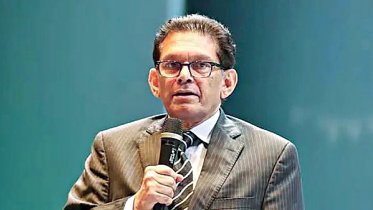


Bangladesh’s Foreign Minister, Dr. Khalilur Rahman, emphasized the country’s commitment to a proactive and prudent foreign policy strategy that prioritizes national interests and fosters positive relationships with all nations. Speaking to reporters at the state guest house Padma following a meeting with Nepalese Foreign Minister Bala Nanda Sharma, Dr. Rahman highlighted that the core principle guiding Bangladesh’s foreign policy is “Bangladesh First,” ensuring the safeguarding of national interests in all diplomatic endeavors.
He outlined that the government’s foreign policy under the BNP administration will be grounded in principles of sovereign equality, mutual respect, non-interference in internal affairs, national dignity, and mutual benefit. Drawing from his experience as National Security Adviser during the interim government, Dr. Rahman noted that the previous administration also aimed to uphold these principles and recalibrate Bangladesh’s foreign policy stance.
Dr. Rahman referenced Prime Minister Tarique Rahman’s directive of “Bangladesh First,” underscoring the careful evaluation of national interests in all international engagements as a non-negotiable priority. He expressed the government’s aspiration to revive the foreign policy legacy of late President Ziaur Rahman, highlighting Bangladesh’s past achievements such as securing a seat on the UN Security Council and playing a pivotal role in establishing SAARC during President Rahman’s tenure.
Addressing inquiries regarding strained relations with India post the July unrest, Dr. Rahman reiterated Bangladesh’s commitment to fostering positive ties with all nations while safeguarding its own interests. Regarding the Rohingya crisis, he emphasized an escalated focus on the issue, mentioning previous efforts during the interim government to engage with the Arakan Army and Myanmar authorities in pursuit of a prompt resolution.
Responding to queries about potential conflicts of interest stemming from his previous role as National Security Adviser during the election period, Dr. Rahman dismissed allegations of electoral irregularities, noting a willingness to review vote counting processes if necessary. On past calls from the BNP for his removal as NSA pre-election, he stated, “I did not impose myself in this position. Perceptions may evolve over time.”
State Minister for Foreign Affairs, Shama Obaed, acknowledged the challenges of her new role and emphasized the government’s commitment to upholding national interests while fostering positive diplomatic ties globally, with foreign policy aligning with public sentiment. During the bilateral discussions with Nepal, both countries reaffirmed their dedication to enhancing cooperation across various sectors, including trade, energy, connectivity, and tourism, building on a foundation of longstanding neighborly relations and shared aspirations.