
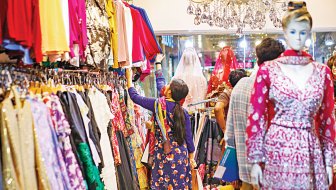


Retailers in Bangladesh are calling on the government to extend the operating hours of shops and malls from 1pm to 10pm, citing negative impacts on business caused by the current 7pm closure mandate, especially with Eid-ul-Azha approaching. This directive, implemented in early April due to an energy crisis stemming from Middle East conflicts, has sparked concerns among business owners.
Advocates for the extended hours argue that shifting the operating time rather than reducing it would allow for a full workday, optimize energy consumption during cooler periods, and align with peak shopping times. The Fashion Entrepreneurs Association of Bangladesh (FEAB) emphasized the importance of this adjustment in a recent statement, highlighting its critical role in capturing essential Eid sales.
With the current 7pm closure diminishing potential sales by 30-60 percent, Azharul Hoque Azad, the president of FEAB and managing director of Sadakalo Limited, stressed the significance of the upcoming Eid-ul-Azha sales season for the local fashion and lifestyle sector. Noting that a substantial portion of shopping mall sales occur in the evening, Azad explained that customer turnout is typically lower during the day due to heat and busy schedules.
Naimul Khan, vice chairman of Lubnan Trade Consortium Limited, shared concerns about the adverse impact of reduced foot traffic on sales, leading to disruptions in the supply chain and financial strains for businesses. Faria Yasmin, managing director of Bata Shoe Company Bangladesh Limited, emphasized the discrepancy between the government’s 7pm closure directive and consumer behavior patterns, which heavily favor shopping in the evening.
The early closure has led to increased energy costs and reduced revenue for stores, with a notable decline in overall sales nationwide. Kamruzzaman Kamal, marketing director at PRAN-RFL Group, highlighted an approximate 20 percent drop in sales, particularly affecting non-food products. He stressed the importance of evening hours for sustaining business activity and addressing the challenges faced by retailers during this period.