
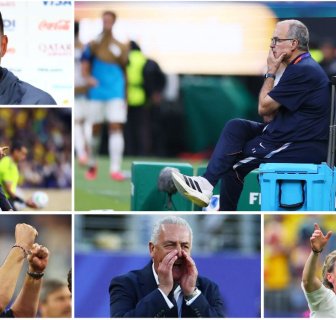


At the 2026 FIFA World Cup, the impact of Argentine coaches emerged as a significant theme of the tournament. A total of six teams were under the guidance of Argentine managers, setting a new record in World Cup history. Remarkably, five of these teams advanced to the knockout stages, highlighting a collective success story overshadowed by one team’s disappointing early exit.
Marcelo Bielsa, a renowned football strategist, symbolized this dichotomy. Leading Uruguay into the competition with high hopes, Bielsa’s squad, featuring key players like Federico Valverde and Rodrigo Bentancur, was expected to navigate the expanded 48-team format comfortably.
However, Uruguay struggled to find momentum, settling for draws against Saudi Arabia and newcomers Cape Verde. A narrow 1-0 loss to Spain sealed their fate, eliminating them without a single victory. This unexpected outcome for a two-time world champion in a forgiving group stage raised eyebrows. Reports of internal discord, attributed to Bielsa’s rigorous training methods and tactical preferences, added to the team’s downfall.
The tournament saw contrasting fortunes for Argentine coaches elsewhere. Lionel Scaloni continued to enhance his coaching reputation by steering Argentina to a strong group-stage showing, topping their group with a blend of consistency and control after recent international successes.
Mauricio Pochettino guided the United States to an impressive start, securing early qualification with wins over Paraguay and Australia. His team’s energetic style, influenced by his European coaching background, made them a standout performer in the tournament.
Gustavo Alfaro’s adept leadership revitalized Paraguay, propelling them to the knockout rounds for the first time in 16 years. Nestor Lorenzo’s tactical acumen ensured Colombia’s steady progress, emphasizing defensive solidity and controlled attacking play.
Sebastian Beccacece overcame initial skepticism by guiding Ecuador to a historic qualification, highlighted by a crucial victory over Germany. The Argentine coaches collectively showcased their influence worldwide, with Bielsa’s early exit serving as a poignant reminder of football’s unpredictable nature.