
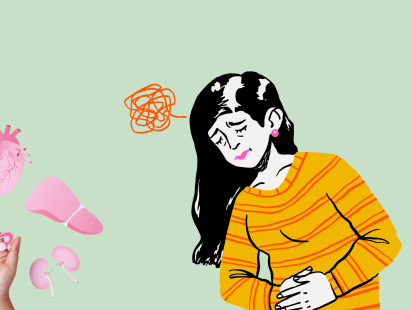


Poly Cystic Ovary Syndrome (PCOS) is undergoing a transformation in its identity. Following an extensive global consultation process involving medical professionals, researchers, and patients, a new name has been proposed: Polyendocrine Metabolic Ovarian Syndrome, or PMOS.
The previous name, PCOS, has often led to misconceptions. Many individuals have long associated this condition solely with ovarian cysts, when in reality, not all individuals with PCOS develop cysts in their ovaries.
This shift in terminology has fundamentally altered the understanding of millions of individuals about their own bodies. Countless people have struggled for years without a diagnosis, feeling bewildered and overlooked as scans failed to reveal cysts. The focus on the term “cystic” limited discussions to one symptom, whereas the underlying condition is multifaceted and intricate. Historically, conversations about PCOS often oversimplified the condition to just taking birth control, neglecting the serious attention and proper treatment required.
The new name acknowledges that the core issue is intricately linked to metabolism rather than solely the ovaries. “Polyendocrine” highlights the involvement of multiple hormone systems, while “Metabolic” draws attention to issues such as insulin resistance and cardiometabolic risks. Though “Ovarian” remains relevant as ovarian dysfunction is still central in many cases.
In individuals with PMOS, insulin resistance plays a significant role, silently affecting energy metabolism and hormonal regulation. This explains the array of symptoms experienced, including fatigue, sudden weight gain, cravings, acne, irregular menstrual cycles, facial hair growth, and hair thinning.
One might question the impact of a single letter change on a condition. Indeed, it can be transformative. While it may not offer a cure, it reshapes the perception and dialogue surrounding the condition. It prompts a shift towards understanding rather than merely categorizing it as a reproductive issue.
The rebranding of PMOS stands as a significant milestone in modern women’s health. Sometimes, a minor alteration in terminology can revolutionize an entire perspective.
This change will shift the conversation away from focusing solely on periods and fertility towards a more comprehensive understanding of metabolic conditions affecting the entire body.