
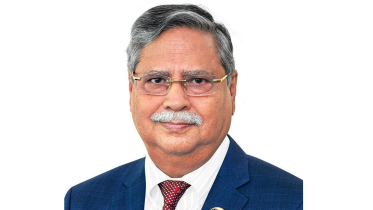


The 13th National Parliament will commence its first session on March 12th. The session is scheduled to start at 11:00 am as confirmed in a recent announcement from the parliament secretariat. President Mohammed Shahabuddin has called for the session in accordance with his authority under article 72(1) of the constitution.
Home Minister Salahuddin Ahmed had previously indicated on February 21st that the government aimed for the parliament session to kick off on March 12th. In the 13th National Parliament, BNP Chairman Tarique Rahman has been elected as the Leader of the House, while Jamaat-e-Islami Ameer Dr Shafiqur Rahman will serve as the Leader of the Opposition.
As per the constitution’s mandate, the president is required to convene the inaugural session of the new parliament within 30 days of the publication of the gazette containing the parliamentary election results. The gazette for the MPs elected in the 13th National Parliament election held on February 12th was officially released on February 13th.
Following the national election in 299 out of 300 parliamentary constituencies, results have been disclosed for 297 seats. BNP secured 209 seats, with three seats won by its alliance partners and leading in the remaining two. Jamaat-e-Islami won 68 seats, NCP secured six seats, Bangladesh Khelafat Majlis and Khelafat Majlis each won one seat, Islami Andolan secured one seat, while independent candidates clinched seven seats.
With the resignation of the former speaker Shirin Sharmin Chaudhury from the 12th National Parliament, a senior BNP leader is anticipated to preside over the initial session, as per a parliament secretariat official. The subsequent steps include the election and swearing-in of the speaker and deputy speaker by the president, followed by the assumption of the new speaker’s role.
During the first session, the Business Advisory Committee will be established, chaired by the new speaker, to determine the session’s duration and other parliamentary proceedings. The government’s priority in the initial sitting will be to present ordinances for parliamentary approval, with a total of 130 ordinances promulgated or amended by the interim government during its term.
Additionally, the formation of standing committees for various ministries is expected during this session. President Shahabuddin is slated to deliver an address at the session’s outset as required by the constitution, with the cabinet endorsing the speech for subsequent discussions by MPs. The session will also include the adoption of an obituary motion.