
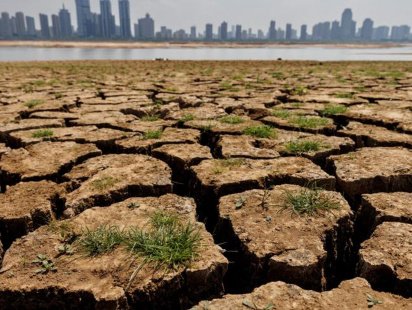


The World Meteorological Organization (WMO) recently announced that El Niño is highly likely to develop by September, potentially reaching record strength. UN Secretary-General António Guterres warned that these conditions would exacerbate global warming. Each El Niño event varies, but this one is occurring on a planet experiencing unprecedented heat levels. According to Berkeley Earth scientists, 2027 is projected to be the hottest year on record. Bangladesh, a nation highly susceptible to climate impacts, is already facing multiple challenges like storm surges, floods, and extreme heat.
While Bangladesh is commonly associated with floods and cyclones, the looming El Niño poses a new threat: extreme heat. Even early mornings in Dhaka are becoming oppressively hot, highlighting the potential dangers for workers and families. Recent data shows that Bangladesh experienced a severe heatwave in April, with temperatures soaring above 40 degrees Celsius in some areas. The International Federation of Red Cross and Red Crescent Societies estimates that over half a million people die annually worldwide due to heat-related issues. Climate change-induced heat stress is a pressing issue that is claiming lives globally.
The science behind climate change is not up for debate; it is based on decades of research and empirical evidence. Despite political changes, the facts remain constant. For countries like Bangladesh, the impacts of climate change are immediate and severe, visible in events like flooding and cyclones. A proactive approach is needed to address these challenges and protect lives.
To combat the effects of El Niño and climate change, Bangladesh must prioritize sustainable energy solutions. Every decision made today will shape the future for generations to come. It is essential to evaluate investments based on long-term implications for the environment and economy. Climate considerations should be integrated into all aspects of development and trade policies.
As El Niño is expected to peak around December, there is a window of opportunity to implement heat action plans, enhance early warning systems, and prepare cooling centers. Individuals can also take simple steps like staying hydrated, avoiding outdoor activities during peak heat hours, and checking on vulnerable neighbors during heatwaves to mitigate risks.
Bangladesh has a history of resilience in the face of adversity, driven by proactive individuals who take action. Investing in the youth, particularly in climate-smart skills, is crucial for the country’s future. As the planet continues to warm, preparedness and collective efforts will be key in navigating the challenges ahead.
It is imperative to acknowledge the current crisis, take responsibility for our actions, and work towards a sustainable future. Our response to climate challenges will shape the trajectory of our nation. By being proactive and adaptive, we can mitigate the impacts of El Niño and climate change on Bangladesh and beyond.