
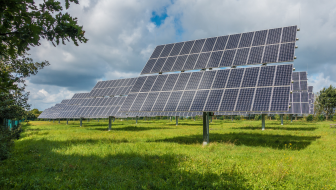


Bangladesh is facing a challenging situation known as an “energy trap,” caused by its heavy reliance on fuel imports, which amount to nearly $12 billion each year. This dependence exposes the country to global shocks, according to business leaders and energy experts. Despite the potential of renewable energy to alleviate this situation, delays in transitioning from fossil fuels have hindered progress towards national energy goals.
During a roundtable discussion on the country’s energy future organized by the Bangladesh Chamber of Industries (BCI) in Dhaka, Hossain Zillur Rahman, Executive Chairman of Power and Participation Research Centre (PPRC), highlighted the critical nature of the energy trap. He emphasized that the unpredictable nature of the energy sector, rather than just the cost, poses a significant challenge for businesses, calling for a comprehensive strategy for a smooth transition.
Rahman stressed the importance of diversifying the energy mix to safeguard national sovereignty, suggesting a combination of renewables, coal, regional cooperation, and enhanced refining capacity. He advocated for a national focus on renewable energy as a transformative agenda, urging policymakers to prioritize practical and politically feasible solutions.
Shafiqul Alam, a lead analyst at the Institute of Energy Economics and Financial Analysis (IEEFA), noted that over half of Bangladesh’s primary energy now comes from imports, a substantial increase in recent years. This heavy reliance on imported fossil fuels exposes the economy to global price fluctuations, necessitating significant annual expenditures on fuel imports.
Anwar-ul-Alam Chowdhury Parvez, President of BCI, highlighted the economic challenges posed by rising global fuel prices and a daily electricity shortfall of 1,500 to 2,000 megawatts. Smaller businesses, particularly rural factories, face severe electricity shortages, impacting their operations and survival.
David Hasanat, President of the Bangladesh Independent Power Producers’ Association (BIPPA), emphasized that the risks associated with energy dependence have been evident for over a decade. He cited slow policy support, financial barriers, land constraints, and weak implementation as factors exacerbating the situation, leading to increased costs, power instability, and trade barriers related to carbon emissions.
Despite the potential of renewable energy to address these challenges, progress has been hindered by various factors, including delays in land allocation, financing issues, and the lack of sovereign guarantees. Stakeholders called for government incentives such as tax exemptions on solar equipment, access to green finance, and support for land and grid infrastructure to accelerate the renewable energy transition and overcome the energy trap.