
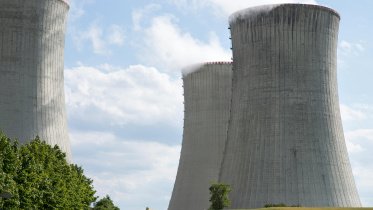


US regulators have given the green light for the establishment of a new nuclear reactor in Wyoming with the support of Bill Gates. This approval signifies the first commercial reactor license granted by the Nuclear Regulatory Commission in almost ten years. The project, led by TerraPower, a startup initiated by Bill Gates in 2015 and supported by Nvidia, is set to be constructed near an aging coal power plant in Kemmerer. Construction is scheduled to commence in the upcoming weeks, and operations are projected to commence in the early 2030s, as reported by Reuters and TechCrunch.
The Natrium reactor distinguishes itself from conventional nuclear plants in terms of both size and design. It is anticipated to produce 345 megawatts of power, which is approximately two-thirds less than contemporary full-size reactors. However, it includes an energy storage system that can temporarily elevate output to 500 megawatts. Unlike regular water-cooled reactors, Natrium utilizes molten sodium for cooling, a design believed by TerraPower to enhance safety.
This milestone signifies the first instance in over 40 years that the NRC has endorsed a commercial reactor not utilizing regular water for cooling. The reactor is designed to store excess heat in sizable, insulated tanks of molten sodium, enabling it to supplement wind and solar energy production while maintaining lower operational costs.
The reactor will operate using high-assay low-enriched uranium (HALEU), a fuel enriched to nearly 20%, compared to the 5% enrichment in traditional reactors. The sourcing of this fuel, primarily from Russia, has raised concerns regarding non-proliferation, with proponents advocating for enrichment restrictions to mitigate supply chain risks, according to reports.
TerraPower is among various nuclear startups backed by technology firms addressing the escalating electricity demands of data centers. The industry has recently attracted over $1 billion in investments, with TerraPower securing $1.7 billion in funding to date.
Despite the positive trajectory, nuclear power encounters economic hurdles. Solar, wind, and battery technologies have experienced significant cost reductions, and while startups anticipate that factory manufacturing will drive down expenses, these savings typically require at least a decade to materialize, as outlined in the TechCrunch report.