
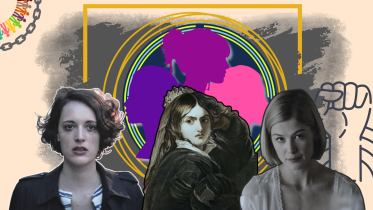


In today’s social media landscape, a new trend has emerged where women are openly sharing their struggles, heartaches, and moments of burnout. Through raw and unfiltered videos, they express their thoughts and emotions, often using pop-art illustrations to highlight the absurdities of societal gender norms. This content deviates from the typical polished beauty narratives, showcasing women discussing intrusive thoughts and exaggerated reactions that are usually suppressed. Despite the occasional cringe-worthy humor, many find these narratives captivating.
Comment sections under these videos are filled with messages like “I relate to your authenticity,” “I only differ from her in posting this video,” or “This was exactly what I needed.” These responses indicate a sense of shared connection among women, particularly from South Asia.
What exactly resonates with women in this content? Ask any woman from this region if she has ever felt self-conscious about her body while walking down a street, adjusting her pace or outfit due to anticipated judgment, or experienced a sense of being observed even in solitude. This feeling has been defined by film theorist Laura Mulvey as the “male gaze,” where women are viewed through a heterosexual male lens, objectifying them for consumption. Over time, this gaze becomes internalized, leading women to self-monitor even in the absence of external scrutiny.
Novelist Margaret Atwood once wrote, “You are a woman with a man inside watching a woman,” a thought-provoking statement highlighting the complexity of desire and validation. The issue arises when male approval becomes the yardstick for self-worth.
The portrayal of “unhinged” women has long captivated Western literature and television, from characters like Katherina in “The Taming of the Shrew” to Amy Dunne in “Gone Girl.” These figures challenge societal norms and disrupt the conventional gaze by refusing to conform to expected roles.
In contrast, South Asian mainstream media often restricts such freedom, portraying obedient women who endure hardships or modern women depicted negatively as antagonists. Female rage in this context stems from patriarchal constraints and ingrained narratives that dictate behavior, speech, and appearance.
While women in South Asia face patriarchal challenges, they are reclaiming their narratives through content creation, utilizing platforms like social media to share their stories authentically. This shift away from traditional ideals of female empowerment towards self-expression and solidarity across borders is evident in the works of creators like Maria Qamar and Shree Creates.
The concept of the “unhinged woman” offers a relatable portrayal of complex emotions and inner struggles. By depicting these characters in comedic scenarios, audiences can empathize with their humanity and emotional depth. This representation challenges traditional notions of femininity and encourages women to embrace their identities authentically.
Ultimately, the term “unhinged” serves as a shorthand for a multifaceted archetype, acknowledging the depth and richness of women’s experiences. By exploring themes of frustration, authenticity, and self-acceptance, these narratives invite viewers to question societal expectations and consider a more liberated approach to womanhood.