
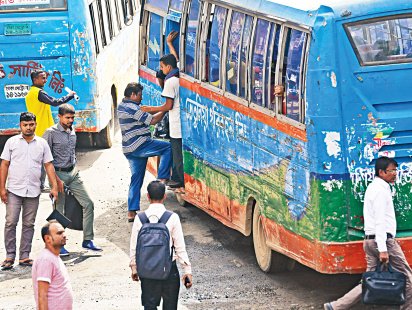


The global oil market turmoil caused by the Iran conflict has led to a severe energy crisis worldwide, revealing Bangladesh’s vulnerabilities. A key factor worsening the local energy shortage is the continued use of outdated cars, buses, trucks, and public transport vehicles from the 1990s and early 2000s. These vehicles are highly inefficient, with fuel consumption rates of 7-10 kilometers per liter compared to modern electric vehicles (EVs) that can travel 300 to 400 kilometers on a single charge, equivalent to 40 to 50 kilometers per liter of fuel.
Upgrading these outdated vehicles could significantly reduce energy demand in the transportation sector, leading to savings in fuel and foreign reserves that could be redirected to enhance energy independence and supply gas to homes and industries instead of being consumed in traffic. Moreover, the high running and maintenance costs of old vehicles, coupled with the lack of safety features, contribute to Bangladesh’s high road traffic fatality rates.
The exorbitant prices of these outdated vehicles stem from three main reasons. Firstly, the high import duties ranging from 150 percent to 500 percent or more on cars based on engine capacity, type, and age. Secondly, the government’s reluctance to lower taxes on vehicle imports due to limited direct tax collection avenues. Thirdly, the absence of strategic policymaking in addressing the issue, which necessitates a balanced approach of incentives and penalties for sustainable solutions.
To bolster the economy against future shocks like the Iran crisis, the government should consider reducing import duties on modern electric or hybrid vehicles to between five and 15 percent. This move may initially reduce direct revenue but will yield long-term benefits such as decreased environmental degradation, improved public safety, and enhanced consumer satisfaction. Additionally, imposing high renewal fees or surcharges on vehicles over 15 years old, with a phased approach based on vehicle age, can incentivize the transition to newer, safer vehicles.
It is imperative for the government to prevent monopolies in car imports by simplifying the licensing process and ensuring fair participation. Transitioning to modern vehicles will not only enhance public transport efficiency but also align Bangladesh with other developing nations that have already embraced modern transportation solutions. Revolutionizing public transport through the promotion of modern vehicles is essential for the country’s economic development, environmental sustainability, and energy security. The upcoming budget presents an opportune moment to address these crucial considerations.