
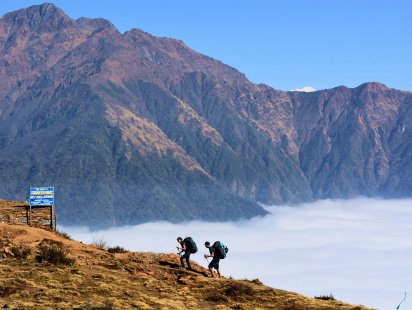


For many Bangladeshis, Nepal serves as the gateway to trekking, being a hub for trekkers worldwide. While some travelers spend significant amounts to explore the Himalayan ranges, for neighboring countries like Bangladesh, Nepal is easily accessible without the need for excessive expenses or complicated paperwork. The proximity and convenience make Nepal a popular choice for many, including myself.
Several years back, I embarked on my first trek with overconfidence and little knowledge. Initially, I purchased a basic trekking backpack from a local store in Dhaka, failing to comprehend the importance of quality gear. Similarly, I opted for police boots instead of proper trekking footwear, unaware of the pain and discomfort that awaited me on the trails.
Through trial and error during subsequent treks, I learned the value of investing in high-quality gear. Upgrading to a branded trekking backpack with proper support and functionality made a significant difference in my trekking experience. Similarly, switching to authentic trekking boots highlighted the importance of comfort and durability over cost.
Investing in reliable trekking poles from a reputable store enhanced my trekking performance, emphasizing the significance of dependable gear. Transitioning from a basic plastic bottle to a thermos and eventually a Nalgene bottle showcased the impact of small upgrades on overall comfort and convenience during treks.
However, the most crucial lesson I learned was the importance of respecting both the mountains and my own body. Trekking gear plays a vital role in ensuring a safe and enjoyable experience, especially for beginners. Starting with basic trekking essentials and gradually upgrading based on personal preferences and needs is key to developing a deeper understanding of trekking requirements and individual comfort levels.
Nepal provided me with invaluable experiences and insights, shaping my trekking journey and enhancing my self-awareness. Trekking goes beyond acquiring gear; it entails mindfulness towards one’s physical well-being, surroundings, and the distinction between discomfort and potential risks. True trekking begins not with the purchase of gear but with the realization of its essential role in ensuring a safe and fulfilling adventure.