
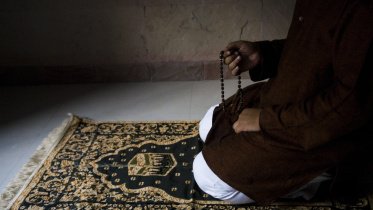


The demands of Ramadan’s religious obligations can be challenging, particularly if you are not adequately prepared. For many individuals, the real struggle with taraweeh, or tarabi, doesn’t occur during the prayer itself but rather in the preparation leading up to it.
While some take proactive steps before Ramadan to fulfill this ritual with dedication, others delay their approach until the month begins. Consequently, many individuals encounter difficulties in maintaining their commitments and eventually give up, despite their sincere intentions to participate throughout.
To embark on a successful spiritual journey, preparations should commence even before the new crescent moon of Ramadan appears. This year, there is still time to plan for taraweeh before the fasting commences.
Effective participation in the prayers will necessitate significant adjustments to your daily schedule. If you plan to join a congregation, it is essential to inform your peers in advance. Make them aware that you will be unavailable, even for phone calls, for three to four hours every evening after iftar.
Your family, friends, and colleagues should support your efforts. Taraweeh is intended to foster peace, reflection, and spiritual closeness. When approached with equilibrium and sincerity, it becomes a nightly anticipation.
Choose a familiar mosque located nearby since long commutes can pose logistical challenges. Remember that faster recitation isn’t always better if it leaves you physically or mentally strained. Our faith allows for flexibility, acknowledging the importance of listening to your body. Engaging in late-night prayers before Ramadan can help you acclimate to the routine.
As the month unfolds, take each day’s prayers as they come. Keep track of your progress and acknowledge your achievements after completing each evening’s prayer. Eventually, taraweeh will become a consistent practice without you even realizing it.
Ramadan is more about spiritual growth and purification than festive celebrations. Consider completing your Eid shopping early. If you miss a congregational prayer, make up for it by praying alone and returning to the mosque the following evening with sincere intentions and a repentant heart.
A heavy iftar may offer temporary satisfaction but can hinder long prayers. Hydration is crucial, and taking a brief 15–20-minute break after iftar allows your body to recover and prepares your mind for sustained worship.
Approaching taraweeh calmly, rather than rushing in fatigued, sets the tone for the night. Utilize the pauses between rak’ahs to stretch your legs and relax your shoulders to prevent stiffness.
Post-prayer recovery is just as vital as the prayer itself. Rehydrate to reset your body, especially after prolonged standing. If hunger persists, opt for light snacks like fruits, yogurt, or dates to replenish energy without feeling overly full.
Equally important is how you conclude your night. Avoid screens immediately after taraweeh to maintain the prayer’s tranquility. Embrace silence, reflection, or quiet supplication to let the spiritual impact of the prayer sink in.