


Home Minister Salahuddin Ahmed has instructed the police to reassess cases filed after August 5 involving well-known figures from the business and social spheres who have allegedly been subjected to undue harassment, and to take appropriate measures. This directive was issued during a meeting held yesterday with the heads of various departments and law enforcement agencies falling under the purview of the home ministry.
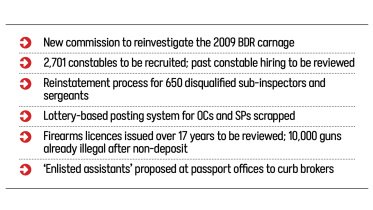
Salahuddin also delineated the government’s initiatives, including the upcoming recruitment of police constables, the establishment of a new commission to reexamine the BDR tragedy, and endeavors to eradicate the prevalent “mob culture” in the nation. Addressing the media post-meeting, he highlighted how certain opportunistic groups had exploited the post-August 5 scenario to falsely implicate numerous individuals, notably esteemed businesspersons and other distinguished members of society, causing them unwarranted distress.
He emphasized the need for a review of these cases to safeguard those wrongly accused from further harm. When questioned about the need for a separate committee, the home minister clarified that such actions fall under the jurisdiction of the police, and no specific deadline has been set, but a prompt report submission is anticipated. He affirmed that all individuals, including journalists, are encompassed in this review process, reiterating the application of the rule of law universally.
Transparency International Bangladesh recently reported a total of 1,785 cases, including 837 murder cases, linked to crimes against humanity during the July uprising, filed nationwide by November 19, 2025. The watchdog expressed grave concerns over the indiscriminate filing of cases post-uprising, estimating accusations against approximately 150,000 individuals across the country. The report highlighted widespread allegations of “case trade,” retaliatory filings, political persecution, and extortion, underscoring the need for a comprehensive investigation into these practices.
In a significant development, the home minister announced the formation of a new commission to reinvestigate the 2009 BDR carnage at Pilkhana, affirming the government’s commitment to ensuring justice. Additionally, he disclosed plans to scrutinize the recruitment of police constables during the Awami League government’s three terms, following reports of fraudulent practices in securing these positions.
Addressing the prevailing manpower shortage in the police force, Salahuddin revealed plans for the urgent recruitment of 2,701 constables through the existing process. He also assured justice for sub-inspectors and sergeants unfairly disqualified during the 2006 recruitment process, emphasizing their impending reinstatement. Furthermore, he announced the discontinuation of the lottery-based system for appointing officers-in-charge and superintendents of police, advocating for a merit-based approach in future postings.
The home minister pledged to review and potentially revoke firearms and ammunition licenses granted during the Awami League government’s 17-year tenure, citing concerns over politically motivated allocations. He highlighted the illegal status of around 10,000 firearms due to holders’ failure to comply with directives for depositing them. To combat broker influence in passport offices, he proposed the appointment of “enlisted assistants” to assist individuals navigating the online application system for passports.
Salahuddin reiterated the government’s resolve to eradicate “mob culture,” warning of stringent actions against such behaviors. He declared the end of the era where demands were met through road blockades, stressing the necessity of adhering to lawful processes for addressing grievances.