
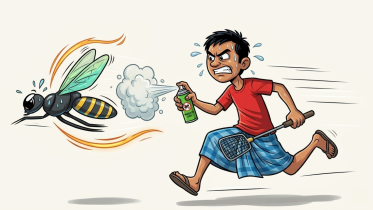


The constant presence of buzzing mosquitoes has become a daily annoyance for many households in Dhaka. What used to be a seasonal issue now occurs more frequently due to increasing temperatures, humidity, and recent rainfall, leading to a rapid rise in mosquito populations in every neighborhood. Aside from the discomfort of itchy bites, these mosquitoes pose a serious health threat by carrying diseases like dengue and chikungunya. Therefore, it is crucial for us to protect ourselves and prevent their breeding.
A commonly overlooked fact, often due to insufficient awareness, is the minimal amount of water required for mosquitoes to breed. Even a small quantity, such as a spoonful of stagnant water, is adequate for larvae to develop. Water left standing for just a few days can become a breeding ground.
In urban areas like Dhaka, mosquitoes tend to thrive in unnoticed locations. Common breeding sites include old tires, plastic containers, drums, and neglected water tanks. Research conducted in Bangladesh reveals that many mosquito larvae are discovered in water-filled containers near residences and construction sites.
The first step in protection is to eliminate stagnant water around the house. Regularly emptying and cleaning flower pot trays, rooftop containers, and discarded bottles is essential. Furthermore, maintaining cleanliness by washing rooftop gutters and drains helps prevent water accumulation that could attract mosquitoes for breeding.
Regular inspections of indoor areas are crucial. Water accumulation behind refrigerators, inside unused coolers, and in plant trays can attract mosquitoes. Maintaining dry and well-ventilated indoor spaces reduces the likelihood of mosquito infestation.
Enhancing physical barriers, such as installing window screens, repairing broken nets, and utilizing mosquito nets, particularly at night, can significantly reduce mosquito bites. Sealing even the smallest gaps around windows and doors is important, as mosquitoes can easily enter through these openings.
Closing all doors and windows, particularly those leading outside, before dusk can prevent mosquitoes from entering indoor spaces. Running fans at high speeds can deter mosquitoes, as they struggle to fly against strong air currents. Utilizing fans in the evening makes it challenging for mosquitoes to approach indoors.
Many individuals are opting for natural remedies. Certain plants emit scents that mosquitoes dislike. Plants like citronella grass, basil, lavender, rosemary, peppermint, and marigold are commonly planted around homes to naturally repel mosquitoes.
While these plants may not eradicate mosquitoes entirely, they complement other prevention methods and serve as eco-friendly alternatives to artificial repellents. Personal protection is key, especially during peak mosquito activity at dawn and dusk. Wearing long sleeves and light-colored clothing can minimize skin exposure, and applying safe mosquito repellents can be beneficial for outdoor ventures.
Community efforts, such as maintaining neighborhood cleanliness by clearing blocked drains, disposing of waste properly, and covering water storage tanks, play a significant role in reducing mosquito populations. Ultimately, mosquito control is not solely the responsibility of city authorities but begins with individual actions at home and in the community. Ensuring protection against mosquitoes is essential, particularly with the upcoming Eid holidays when Dhaka city will be relatively deserted. By raising awareness and implementing practical measures like eliminating stagnant water, using protective measures, and upholding cleanliness, mosquito populations can be effectively reduced.