
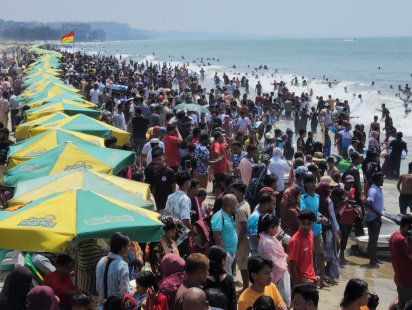


The ocean and the sandy shores hold no grudge against humans. Waves crash onto the dunes in a mesmerizing rhythm, resembling an artist lost in its own creation. Cox’s Bazar, boasting the longest uninterrupted natural beach, captivates onlookers with its deep blue waters, akin to other coastal nations sharing a similar shoreline. My travels have led me to contemplate nature’s dual nature while visiting Cox’s Bazar, where I pondered missed opportunities.
Visitors who have explored coastal regions in Thailand and Indonesia may draw comparisons and lament the absence of services and attractions that could enhance Cox’s Bazar’s appeal, especially to international tourists. Consider destinations like Krabi or Bali, where similar landscapes are meticulously curated to preserve their local essence while welcoming global visitors. These places feature well-organized tourist zones, cultural enclaves, managed beachfronts, and structured activities tailored to meet visitor expectations.
In contrast, Cox’s Bazar appears unorganized. While it attracts a vibrant local tourist community, the lack of zoning is evident. Although efforts have been made to address this issue, challenges persist, discouraging international tourism due to privacy concerns, safety issues, and a lack of designated leisure spaces. The absence of a waterfront promenade or night market further hinders the tourist experience, compounded by issues like high public transport fares, chaotic storefronts, and safety concerns.
Marine Drive stands out as one of South Asia’s most picturesque coastal roads, safeguarding the shoreline’s beauty. However, various interests, including political and business entities, have impeded development projects, delaying crucial infrastructural improvements. The presence of a five-star hotel where a beachfront should be symbolizes broader infrastructural shortcomings, where personal gains override community welfare and environmental sustainability.
The region’s complexities extend beyond surface attractions, delving into deeper socio-political issues and environmental concerns. The hills bear witness to the struggles of displaced communities, notably the Rohingya, whose presence has altered the region’s ecological balance. These challenges not only pose environmental risks but also deter international visitors sensitive to such distressing realities, impacting the tourism sector.
Despite its potential, Cox’s Bazar lacks curated cultural spaces, thoughtfully designed activity zones, and upscale dining options that could elevate its status as a premier tourist destination. The absence of diverse tourist accommodations further hampers the region’s appeal, failing to attract a range of visitors, including budget-conscious travelers.
To transform Cox’s Bazar into a world-class destination, administrators must prioritize long-term planning over short-sighted interests, investing in infrastructure, ecological preservation, and designated tourist zones to attract a diverse visitor base. By embracing sustainable tourism practices that harmonize with the natural environment, Cox’s Bazar can enhance its allure and promote year-round visitation, benefiting both locals and tourists alike.