


In a recent widely circulated press briefing, Abdullah Al Jaber, the secretary of Inqilab Moncho, sparked controversy with his remarks that have stirred public outrage. Despite issuing a tepid apology afterward, the situation calls for immediate attention due to the nature of his statements. Al Jaber suggested that a significant number of infant deaths from measles in the country could be attributed to the absence of immunity provided by breastfeeding. While this aspect of his comment aligns with expert views, the controversy stemmed from his claim that 55 percent of mothers are deliberately refraining from breastfeeding to maintain their physical fitness.
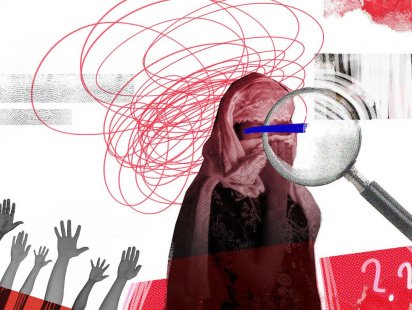
This recurring theme in Bangladesh follows a familiar pattern. Whenever a systemic crisis emerges, whether it be an uptick in crime, erosion of societal values, or a public health emergency like the ongoing measles epidemic, attention invariably shifts to the female body. It becomes the convenient target in national discussions. When a woman is a victim of assault, her attire and lifestyle choices are scrutinized. When a child is gravely ill, the mother is put under the microscope. By framing a medical calamity as a consequence of alleged selfishness among women, Jaber not only insulted every mother in the nation but also shielded the government and the healthcare system from the responsibility owed to the 451 children who have reportedly succumbed to measles.
Why is it effortless to discuss a woman’s body as though it were communal property? How is it that an individual lacking medical or nutritional credentials can confidently attribute a national crisis to superficial reasons affecting millions of women? In an era where online engagement is paramount, targeting women often appears as the quickest means to attract attention. It is a simplistic and immediate tactic that taps into deep-rooted biases favoring blaming individuals over addressing systemic failures within the state.
To comprehend the fluctuations in breastfeeding rates, one must consider the circumstances of women’s lives. A recent report in The Daily Star highlighted a distressing statistic: approximately 16 million people in Bangladesh faced severe food insecurity last year. The nation grapples with nutritional deficiencies and food instability. When a mother is undernourished, lacking access to a balanced diet herself, her capacity to breastfeed is naturally compromised. This is not a matter of choice but a biological consequence of poverty. According to data from the Bangladesh Demographic and Health Survey (BDHS), the rate of exclusive breastfeeding declined from 65 percent in 2017-18 to 55 percent in 2022. However, experts attribute this decline not to mothers, but to issues such as superstitions, lack of awareness, and inadequate promotion as significant hurdles to exclusive breastfeeding. They also highlight the frequent neglect of the Breast-Milk Substitutes (BMS) Rules 2017, as many organizations fail to offer six months of maternity leave or breastfeeding facilities, further discouraging working mothers from exclusive breastfeeding.
There remains a glaring absence of structural support for working mothers. Bangladesh’s economy heavily relies on female labor, particularly in the garment sector and informal economy. How many of these women receive sufficient postnatal leave? How many workplaces provide the necessary facilities and time for breastfeeding? When a mother is compelled to return to work in a factory or office shortly after childbirth due to financial constraints, it is not a matter of prioritizing physical appearance but one of survival.
Moreover, the narrative chastising women for not breastfeeding their infants due to fitness concerns disregards the realities of postpartum depression, lack of community healthcare support, and the overwhelming challenges faced by women in a patriarchal society lacking adequate safety nets.
By transforming a public health crisis into a moral indictment of women, the true causes of measles fatalities – such as gaps in immunization coverage, insufficient vaccination campaigns, and widespread malnutrition – are pushed into the background. It is a classic diversionary tactic. While the public debates the morality of mothers, the institutions responsible for child health evade scrutiny. A half-hearted apology cannot undo the harm caused by such rhetoric. A mother who has lost her child to a preventable disease like measles carries an immeasurable burden of grief. Confronting her with the accusation that her child perished due to concerns about her appearance is an act of cruelty that no apology can rectify.
We must demand discourse founded on data, sociology, and medical science, rather than the biased whims of individuals addressing the media. The children of this nation deserve a functional healthcare system and a society that supports their mothers. They should not be sacrificed to propagate misogynistic narratives. If we wish to discuss competence, let us focus on the ethical aptitude of our leaders in public forums and the institutional capability of the state to cater to its most vulnerable citizens. Anything else serves as a perilous distraction.