
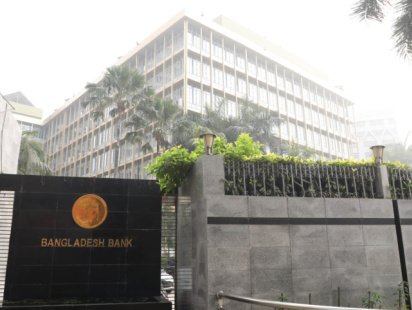


The parliament recently passed a legislative amendment to the Bank Resolution Act, 2026, which could potentially reverse months of banking reform efforts and painful adjustments. The revised act allows former owners of distressed banks, even those who mismanaged their institutions to insolvency, to repurchase these banks by paying less than 7.5 percent of the previous government and central bank funds provided, with the remaining amount to be paid over two years with simple interest. This new law is seen as a step back from reform and adjustment, signaling a form of surrender.
With over 35 years of experience in the Bangladeshi financial system, concerns have been raised about the implications of this law. It goes against established practices in resolving failed banks and jeopardizes the progress made in stabilizing Bangladesh’s financial sector.
The consolidation of five banks into Sammilito Islami Bank involves institutions previously controlled by S Alam Group and Nassa Group. Investigations by Bangladesh Bank revealed irregular lending practices and fund misappropriation, leading to significant financial discrepancies. The government and central bank invested around Tk 35,000 crore to prevent total collapse, with the decision to consolidate the banks aligning with international norms of holding owners accountable for misconduct.
However, the new law allows former owners and directors of troubled banks to reacquire their institutions by filing applications with Bangladesh Bank. While the law includes provisions for repayments, additional investments, depositor claims, and scrutiny, the terms are favorable enough to enable former owners to repurchase banks at significantly discounted prices, potentially funded by borrowing from the banking sector.
Research underscores the detrimental effects of uncertainty and non-performing loans on the financial system. Governance failures, particularly in politically connected banks, lead to heightened risks and poor asset quality. Reinstating owners with prior political affiliations could perpetuate governance issues and undermine the integrity of the banking sector.
To address these challenges, measures such as maintaining merged banks, empowering an independent Bangladesh Bank, establishing a distressed assets recovery framework, and prioritizing depositor protections are essential. The Deposit Protection Act should be enacted to safeguard depositor interests, and accountability measures, including prosecution of criminal offenses and asset freezing, must be enforced before considering ownership restructuring.
The current trajectory set by the amended Bank Resolution Act risks eroding trust in the banking system and fostering impunity for financial misconduct. Revisiting the law and prioritizing genuine reform efforts are crucial to ensuring a banking system that serves the interests of all citizens, not just a privileged few. Time is of the essence in steering Bangladesh’s financial sector towards sustainable growth and stability.