


After each significant healthcare tragedy in Bangladesh, the response from the public typically progresses through stages of shock, mourning, investigations, suspensions, legal procedures, and pledges for reform. However, once the public focus shifts, underlying systemic vulnerabilities often remain unattended. While investigations and legal measures are crucial for ensuring accountability, they alone cannot prevent future disasters unless high-quality practices are consistently upheld.
The recent loss of six newborns at Ad-Din Medical College and Hospital on May 27 has deeply impacted the nation’s conscience. Families arriving at the hospital with hope departed in indescribable sorrow. Over the past years, Bangladesh has witnessed multiple hospital incidents involving fires, disruptions in oxygen supply, electrical failures, infrastructure deficiencies, and errors related to medical equipment. Despite varying circumstances, each event underscores a shared lesson: healthcare safety must extend beyond clinical care. Aspects such as infrastructure, performance of biomedical equipment, environmental monitoring, infection control, management protocols, and regulatory supervision directly influence patient outcomes.
Quality practices within the healthcare realm should not be viewed as mere administrative duties but as a systematic culture ensuring that every patient receives timely, safe, efficient, equitable, and patient-centered care. The WHO Global Patient Safety Action Plan 2021-2030 mandates countries to establish robust systems aimed at minimizing preventable harm through workforce competency, leadership, risk management, incident reporting, and continuous quality enhancement. Similarly, internationally recognized standards like ISO 9001 for Quality Management Systems, ISO 15189 for ensuring quality in medical laboratories, and Joint Commission International’s Accreditation Standards for Hospitals offer comprehensive guidelines to bolster patient safety and healthcare quality.
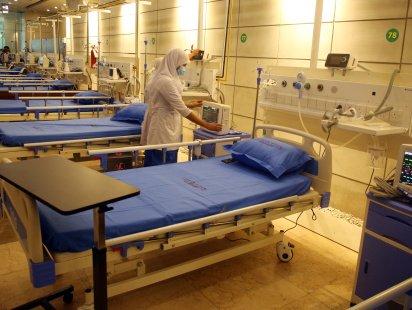
A critical yet often overlooked aspect in Bangladesh’s healthcare facilities is the calibration of biomedical instruments, which involves verifying the accuracy of medical devices against known standards to ensure patient safety. Despite the increasing reliance on advanced medical technologies in hospitals, even the most cutting-edge equipment can pose risks if not calibrated, maintained, and verified correctly. Regular calibration is essential for crucial equipment such as ventilators, infusion pumps, patient monitors, defibrillators, oxygen analyzers, incubators, anesthesia machines, temperature sensors, and medical gas monitoring systems. Inaccuracies in ventilator tidal volumes, incorrect medication dosages from infusion pumps, or faulty readings from oxygen analyzers can directly jeopardize patient safety. Therefore, medical facilities must ensure the traceability of their measuring equipment.
Recent healthcare incidents also highlight the urgent need for continuous environmental monitoring in critical areas such as the ICU, NICU, surgical rooms, laboratories, and oxygen delivery systems. Traditional manual monitoring methods may not detect changes promptly enough to prevent disasters. AI-driven environmental monitoring systems that utilize IoT-based smart sensors offer a promising solution. These systems can continuously monitor various environmental parameters like oxygen levels, CO2 levels, temperature, humidity, air pressure, air quality, ventilation efficiency, medical gas supply, and occupancy. AI-driven monitoring devices can identify anomalies, anticipate equipment malfunctions, diagnose ventilation issues, and automatically alert healthcare staff, representing a significant investment in patient safety.
Implementing quality systems in the healthcare sector can be challenging due to limited resources, insufficient biomedical calibration support, scarcity of quality professionals, inconsistent maintenance practices, and lax regulatory enforcement. To address these hurdles, the sector requires a robust legislative framework mandating periodic regulatory inspections, biomedical equipment calibration, hospital certifications, quality management practices, and environmental monitoring. This legislation should clearly define minimum safety standards for biomedical equipment calibration and environmental monitoring systems in critical care areas of all healthcare facilities, both public and private. Key preparatory steps for nationwide implementation could include training programs for quality managers and biomedical engineers, establishing regional calibration labs aligned with national and international standards, adopting digital Quality Management Systems, implementing hospital accreditation initiatives, and deploying AI-driven national monitoring systems for vital healthcare infrastructure.
To achieve the Sustainable Development Goals related to health and well-being for all, Bangladesh must enhance its institutional capacity and internal resources autonomously rather than relying solely on external aid. The country possesses the fundamental elements required for a robust healthcare quality system. Under the Ministry of Health and Family Welfare, the Directorate General of Health Services (DGHS) can spearhead policy implementation and regulation. The Bangladesh Accreditation Board (BAB) can develop accreditation frameworks, while the Bangladesh Reference Institute for Chemical Measurements (BRiCM) under the Ministry of Science and Technology can offer technical services such as metrological traceability, biomedical equipment calibration, and professional training courses in collaboration with the Ministry of Education. Additionally, the Ministry of Environment can fortify hospital environmental monitoring systems, while academic institutions, scientists, and private organizations can contribute to research, innovation, and continuous improvement efforts.
Securing a better future for Bangladesh’s healthcare system demands not only capacity building but also a steadfast commitment to consistently providing safe, reliable, and accountable services. While investigations and legal actions will always be necessary post-tragedies, true success lies in the ability of quality practices to avert catastrophes proactively, ensuring enduring protection for human life and institutional reputation.