
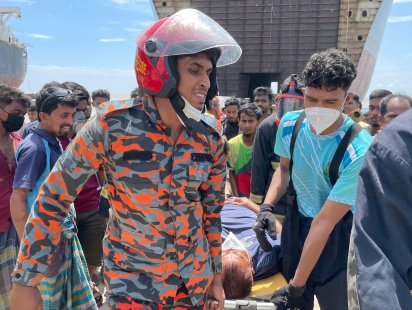


Nine workers tragically lost their lives due to suspected toxic gas exposure at the shipbreaking yard of Ferdous Steel Ship Recycling Industries in Bhatiari, Chattogram. The incident occurred while the workers were cutting scrap inside an old LNG carrier, leading to a toxic gas leak that claimed five lives on the spot. Subsequently, four more workers died in the hospital, with 10-12 others falling seriously ill or sustaining injuries. The Department of Inspection for Factories and Establishments (DIFE) report highlighted excessive carbon monoxide accumulation within the ship, resulting in severe breathing difficulties and loss of consciousness among the workers.
Prior to the incident, DIFE had conducted multiple inspections at Ferdous Steel’s yard, identifying safety deficiencies and issuing corrective notices on February 2, May 4, and June 8. Despite these actions, the company failed to address the concerns raised, prompting DIFE to file a case before the Chattogram Labour Court on July 15. The tragic outcome a month later underscored the potentially preventable nature of the incident if compliance had been ensured.
The regulatory responsibilities of DIFE extend beyond punitive measures under the Bangladesh Labour Act, 2006, empowering inspectors to intervene when imminent dangers to life or safety are identified. The Ship Breaking and Ship Recycling Rules 2011 further supplement these provisions by mandating safety evaluations and temporary suspension of operations in unsafe conditions.
The recurring nature of shipbreaking accidents in Sitakunda, with over 150 fatalities and 200 injuries since 2014, underscores the persistent failure to prioritize worker safety in this industry. While economically significant, ship recycling cannot justify overlooking preventable risks that endanger lives.
The legal framework surrounding shipbreaking in Bangladesh, including the Ship Recycling Act, 2018 and international conventions like the Hong Kong International Convention, provides a robust foundation for regulation. However, effective enforcement and coordination among regulatory authorities remain crucial to mitigating known safety hazards.
The investigation into the Ferdous Steel incident should not only focus on immediate compliance but also evaluate the preventive measures considered and their adequacy. Additionally, the involvement of all relevant parties, including regulatory bodies and stakeholders, must be scrutinized to ensure accountability for safety lapses.
As Bangladesh continues its efforts to enhance safety in shipbreaking, the recent tragedy serves as a poignant reminder of the urgency to prioritize worker well-being over economic considerations. The authorities must act decisively to prevent further loss of life and uphold the regulatory standards established to safeguard workers in hazardous industries.