


In a recent occurrence, a friend was given a Tk 500 bill at a café after having coffee. Across a security feature on the bill, the number “100” was written in blue ink, seemingly marked by a bank or business for tracking purposes. Another friend later received a banknote with a two-line poem. Various acquaintances have also received bills adorned with math calculations, suggesting they were used as scratch paper.
While these incidents may appear lighthearted, the treatment of national currency reflects broader issues of civic duty, financial culture, and respect for public property. Banknotes circulate among individuals, with a single note potentially passing through the hands of a street vendor, teacher, or farmer. Any needless marking on a bill can impact countless transactions during its lifespan.
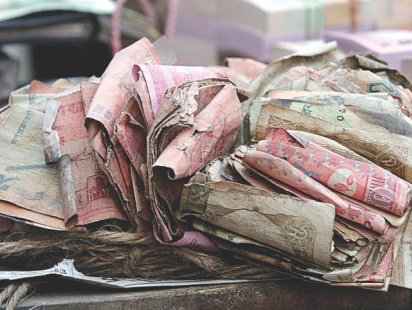
In Bangladesh, it is common to find bills inscribed with names, phone numbers, religious phrases, and doodles, a practice less prevalent in neighboring countries like India, Singapore, and Japan. The country’s climate exacerbates the issue, with high humidity and heavy rainfall weakening the paper currency. Damaging banknotes by writing on them, folding, or taping shortens their lifespan and necessitates costly replacements by the central bank.
Writing on banknotes interferes with security features designed to prevent counterfeiting, making it harder to verify the authenticity of a note. Despite Bangladesh Bank’s Clean Note Policy instructing against writing on banknotes, handwritten markings persist, even in bills dispensed by ATMs.
People often write on money for mundane reasons like tracking transactions or personal identification. However, in the age of digital alternatives, using banknotes as notepads is unnecessary. It is essential to recognize that currency is a public asset facilitating daily economic activities, not disposable paper.
Addressing this issue requires behavioral changes rather than costly reforms. Strict implementation of the Clean Note Policy, ensuring ATMs dispense clean notes, and promoting alternative tracking methods in businesses are crucial steps. Public awareness campaigns should emphasize treating banknotes with care, reflecting responsible citizenship and safeguarding shared resources.
Responsible handling of banknotes symbolizes a nation’s development and values, showcasing respect for public assets. Preserving clean, undamaged currency not only saves public funds but also fosters a culture of accountability and care for essential resources.