
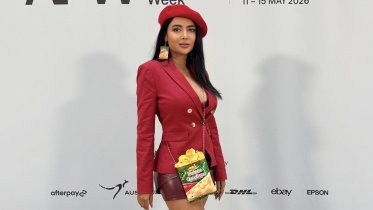


Australian Fashion Week (AFW) 2026, celebrating its 30th anniversary, made a significant move by relocating its primary venue to the magnificent Museum of Contemporary Art Australia (MCA) situated along Sydney Harbour. With the iconic Opera House and Harbour Bridge as its backdrop, the event showcased a blend of contemporary art and cutting-edge design, attracting international buyers, media, and fashion icons to the vibrant city.
The event’s schedule for 2026 featured a mix of established Australian fashion powerhouses and emerging talents. Renowned names such as Toni Maticevski, Carla Zampatti, and Aje showcased their distinctive styles on the runways, highlighting draped silhouettes, sharp tailoring, and sculptural evening attire. Additionally, the Next Gen programs spotlighted the future of local fashion, emphasizing sustainability and ancestral narratives, including impactful presentations by First Nations brands like Ngali.
Despite the diverse and energetic atmosphere of the event, a noticeable absence of South Asian-Australian representation on the official schedule was observed. As a Bangladeshi attendee, I noticed this lack of inclusivity towards a significant segment of the Australian population. True diversity should accurately reflect the multicultural community of the country. Looking ahead to the next edition, I hope to see a more inclusive lineup that embraces the richness, creativity, and perspectives of South Asian designers and creatives.
Fashion transcends mere aesthetics; it is a dynamic expression of identity. During the event, I showcased my Bangladeshi heritage through my unique style, using the streets as a runway to exhibit the exceptional talent of Bangladeshi designers.
One of my standout looks was a high-fashion, avant-garde creation paying homage to my roots. Designed by the talented Fardin Bayezid, the gown transformed a traditional Jamdani saree into a modern silhouette inspired by Carolina Herrera’s runway designs. The intricate saree borders were ingeniously repurposed into a structured bodice, while the flowing body of the fabric formed a dramatic maxi skirt, demonstrating the fusion of South Asian heritage with global couture.
Complementing the striking ensemble was an editorial beauty look crafted by the skilled team at RinZinDivine Beauty Salon. The sleek updo and glamorous makeup added a touch of sophistication and elegance to the overall aesthetic, blending tradition with contemporary allure.
My second look showcased a playful pop-culture concept, featuring a crimson blazer paired with a custom hand-painted statement bag inspired by a beloved childhood snack from Bangladesh. This whimsical ensemble drew attention and sparked conversations among the fashion elite, proving that fashion from our region can be both sophisticated and playful.
Both outfits served as bold symbols of my dual identity, bridging my connection to both Bangladesh and Australia. By shining a spotlight on Bangladeshi craftsmanship at a global platform like AFW, the intention is clear: true personal style emerges when heritage is honored while demanding recognition in the world, allowing clothing to speak authentically for one’s identity.