
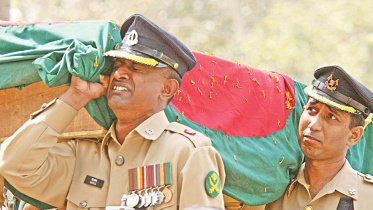


A mutiny at the former BDR headquarters in Pilkhana that resulted in the deaths of 74 individuals, including 57 high-ranking military officials, has remained a contentious issue for 17 years. Critics have dismissed previous state-led investigations as lacking in genuine efforts towards justice.
In 2024, the Ministry of Home Affairs established a seven-member team to reevaluate the findings of the 2009 BDR mutiny commission due to widespread criticism of the 2013 mass trial. This inquiry aimed to uncover any overlooked evidence from the initial report possibly influenced by political interference.
The earlier official investigation attributed the mutiny to long-standing grievances among regular soldiers who felt neglected in their calls for improved pay and conditions. The uprising, which began on February 25, 2009, at Dhaka’s Pilkhana and spread nationwide, saw Bangladesh Rifles troops (now Border Guard Bangladesh) brutally killing prominent military officers over two days.
However, the newly formed National Independent Investigation Commission, presenting its final report in November 2025, contradicted these findings. It implicated the then-ruling Awami League leadership, specifically naming individuals like lawmaker Sheikh Fazle Noor Taposh, former defense and security adviser Tarique Ahmed Siddique, and ex-army chief General Moeen U Ahmed.
Though the report submitted to former chief adviser Prof Muhammad Yunus remains undisclosed to the public, it allegedly contains substantial evidence against top civil and military officials, as well as politicians.
Amid these developments, the recently elected BNP government announced plans on February 23 to establish another commission to reinvestigate the mutiny for the pursuit of justice.
Significant evidence against Tarique Ahmed Siddique and General Moeen U Ahmed emerged from the testimony of Chief of Army Staff General Waker-Uz-Zaman, present during the mutiny. Waker’s actions and interactions during the uprising, as detailed in the report, shed light on the roles of key military figures in the tragic events at Pilkhana.
The report also implicates Barrister Sheikh Fazle Noor Taposh and Sheikh Selim in the massacre based on witness accounts and alleged connections to the mutineers. These individuals are said to have coordinated with the rebel factions during the mutiny, as detailed in witness testimonies and circumstantial evidence.
The Commission’s review unearthed discrepancies and irregularities in the handling of the aftermath, highlighting potential miscarriages of justice against military officers involved in combating the mutiny. Allegations of forced disappearances, torture, and false accusations against these officers raise concerns about the integrity of the investigation and subsequent court-martial proceedings.