
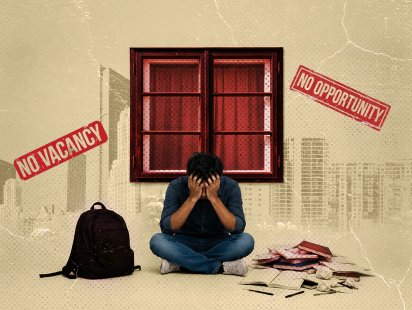


Bangladesh is currently inhabited by over 175 million people, with approximately one-fourth falling within the 15-29 age group, totaling around 47 million individuals, a population larger than that of many countries. More than half of the population is under 25 years old, with a median age of around 27, compared to the global median age of approximately 31. Each year, close to 2 million young Bangladeshis enter the workforce, but many struggle to secure employment in their desired fields. A significant number focus on government job exams until they reach the age limit of 32, after which they shift to the private sector or leave the country. This demographic situation is at the core of this year’s World Population Day, which is centered around the theme of “Realising the hopes and aspirations of young people—today and for the future.” For Bangladesh, this theme raises unanswered concerns.
The country is facing a demographic dividend, a period when the working-age population surpasses dependents, potentially leading to accelerated growth. Estimates suggest that this dividend will come to an end between 2035 and 2040, with the peak already passed in 2020. Failure to effectively utilize the current young population of 47 million could have lasting implications for Bangladesh’s next fifty years. History shows that seizing this opportunity requires intentional investment, yet emerging evidence from Bangladesh indicates a lack of progress in this regard.
The challenges stem from issues predating the labor market. While Bangladesh has made strides in expanding access to education, the quality has not kept pace. Public spending on education remains below 2 percent of GDP, significantly lower than Unesco’s recommended 4-6 percent and the lowest in the Asia-Pacific region. This has resulted in only 49 percent of children aged 7-14 possessing basic literacy and numeracy skills. Insufficient literacy at a young age translates to poor employability later in life. Despite rapid growth in higher education institutions, including public and private universities, the quality of education has not improved proportionally. The focus on rote memorization over critical thinking and lack of industry collaboration have led to graduates lacking the skills needed in the current job market.
As a consequence, the unemployment rate among tertiary-educated individuals has risen significantly, reaching 27.8 percent in 2022. A substantial portion of young people, particularly those aged 15-24, are not engaged in employment, education, or training, with the NEET rate nearly double the global average. The public sector remains a preferred choice for many graduates, despite the private sector accounting for the majority of employment opportunities. With a mismatch between the number of graduates entering the job market and available positions, many opt to delay their career pursuits or seek opportunities abroad, leading to a disengagement from the local economy.
The prolonged wait for secure employment comes at a cost, as government positions offer benefits and stability that the informal private sector cannot match. The focus on exam preparation rather than career development during the most productive years of graduates’ lives results in anxiety and disillusionment. The recent student-led protests in July 2024, triggered by dissatisfaction with the government job quota system, underscore the frustration among a generation that holds degrees but struggles to secure stable employment opportunities.
A significant percentage of young Bangladeshis are considering migration as a viable option, citing the desire for better prospects and a more stable future. The number of Bangladeshis residing abroad has surged in recent years, with a significant portion comprising degree holders and students, including a growing number of young women. The trend towards permanent migration represents a shift from previous generations of temporary migrants, posing challenges for the country in retaining skilled individuals and reformers who could contribute to national development.
Gender disparities and regional disparities exacerbate these challenges, with Bangladesh still grappling with high rates of child marriage and adolescent pregnancies. Urban female labor force participation has declined, despite more young women opting for migration over traditional roles. The lack of representation of young people in decision-making processes further hinders efforts to address these issues effectively.
While Bangladesh has acknowledged these issues through various policies and plans, there remains a disconnect between education planning, labor market demands, and higher education regulations. The youth of the country are not seeking handouts but rather a system that aligns with their aspirations. This year’s World Population Day serves as a litmus test for whether Bangladesh can fulfill the ambitions of its young population at home or risk losing them to other opportunities elsewhere. Despite possessing talent and potential, Bangladesh must act swiftly to address these challenges before time runs out.