
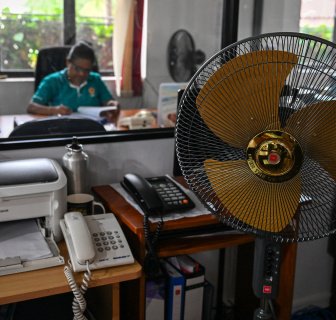


Governments in South, Southeast, and West Asia are implementing strict measures due to a worsening energy crisis caused by disruptions in crude oil shipments through the Strait of Hormuz amid the ongoing US-Israeli conflict with Iran. The impact has led to fuel shortages and price hikes, prompting administrations to ration fuel, cut public spending, and adjust daily routines to conserve supply, prevent panic buying, and avoid economic turmoil.
Reports from international and local media outlets highlight the region’s efforts to manage fuel scarcity, inflation, and public concerns. While reminiscent of measures taken during the pandemic, the current focus is on addressing the energy emergency rather than a health crisis.
In Southeast Asia, governments are using a combination of behavioral strategies and market interventions to tackle the situation. For instance, the Philippines has declared a national energy emergency, implementing measures such as a four-day workweek, restrictions on air-conditioner use, subsidies, and seeking alternative oil sources like Russian crude. Thailand and Vietnam are also taking steps like price caps on diesel and promoting remote work to stabilize the situation.
India is rationing LPG cylinders to prioritize essential needs amid rising global prices, while Bangladesh has announced austerity measures including reduced office hours and expenditure cuts. Pakistan has implemented visible austerity measures like a shortened workweek and remote work to reduce consumption and manage supply challenges.
In Sri Lanka and Mauritius, efforts are being made to conserve energy by dimming lights and reducing excess consumption. Countries like South Korea and Australia are taking measures like restricting government vehicle use and cutting fuel taxes to alleviate costs.
Moreover, Russia has halted gasoline exports to safeguard domestic reserves, adding pressure to global supply chains and increasing price volatility. Governments worldwide are implementing various measures to address immediate demand while navigating the uncertainties in the energy market.
With the ongoing geopolitical tensions affecting energy supplies, austerity measures are no longer just policy choices but essential operational strategies to navigate the current challenges.