


Plants, much like humans, are sensitive to heat and dehydration, which can hinder their growth. To ensure the health of plants amidst increasing temperatures and fluctuating rainfall patterns, consistent care and effective strategies are essential.
Surprisingly, any temperature rise above 30 degrees Celsius can impede plant growth. This is due to the decreased efficiency of plants in converting sunlight into carbohydrates for energy as temperatures increase. Concurrently, the rate of respiration, where plants utilize these carbohydrates for growth, remains constant at higher temperatures, depleting food reserves quicker. Moreover, plants struggle when they lose more water through transpiration than they can absorb from the soil, potentially leading to their demise during prolonged heatwaves.
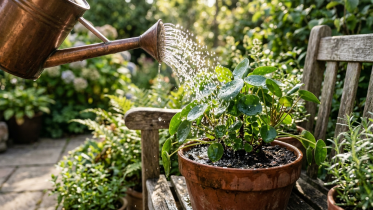
Adopting alternative watering methods can make a significant difference. Monitoring soil moisture daily and watering plants when the soil feels dry up to a finger’s length is crucial. Optimal watering times, such as early mornings or late afternoons, help plants retain water by avoiding evaporation during peak sunlight hours. Utilizing targeted watering techniques like soaker hoses and drip irrigation ensures efficient water distribution.
For plants in hanging containers or those with underdeveloped root systems, more frequent watering may be necessary to combat faster dehydration. Incorporating organic mulch, such as wood chips or compost, helps retain moisture and shields the soil, maintaining a cooler root zone.
Providing shade for plants is another effective strategy. Moving container plants to shaded areas reduces heat exposure and minimizes evaporation. Employing shade cloth or light screens can reduce direct sunlight exposure, preventing leaf burn.
During hot weather, it is advisable to refrain from fertilizing plants as it can accelerate growth beyond sustainable levels, adding stress. Similarly, propagation activities should be avoided as they drain the plant’s energy. Instead, removing dead leaves and flowers conserves energy for future blooming once the heat subsides.