
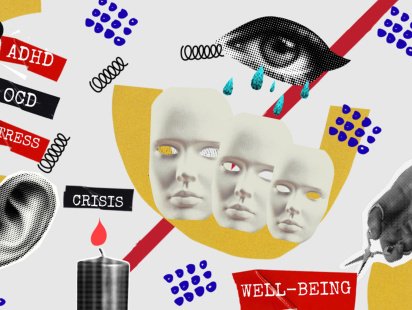


The proposed national budget for the fiscal year 2026-2027 offers a glimmer of hope for Bangladesh’s ailing healthcare system. However, despite a significant increase in health funding, mental health continues to remain overlooked.
Traditionally, mental health has received minimal allocation from the health budget, with most resources channeled towards specialized psychiatric hospitals. Despite the growing economic challenges and the escalating psychological burden on the population, the current public spending approach indicates a lack of emphasis on mental well-being. As the new health budget aims to prioritize grassroots healthcare, policymakers need to understand that mental health plays a pivotal role in preventing non-communicable diseases (NCDs) and other chronic physical ailments.
Recognizing the interconnectedness of mental and physical health is crucial; poor mental health can directly contribute to behavioral risk factors like physical inactivity, unhealthy diets, sleep disturbances, and substance abuse, which elevate the risk of NCDs. Investing in mental wellness is not a financial burden but a strategic measure to contain healthcare costs. Studies indicate that every dollar invested in expanding treatments for common mental disorders yields a $4 return in improved health outcomes and economic productivity. Moreover, economic models focusing on adolescent interventions and suicide prevention demonstrate significant returns, with an average lifetime return on investment of $24 for each dollar spent.
The World Health Organization (WHO) has established rigorous budgetary frameworks under its Comprehensive Mental Health Action Plan 2013-2030, offering standardized interventions tailored for low- and middle-income countries. However, the lack of administrative infrastructure poses a challenge to implementing these grassroots interventions effectively. There is a notable absence of routine mental health screening at primary healthcare levels, resulting in an incomplete national psychiatric registry. To address this, the government must invest in developing a dedicated mental health database and integrate psychological screening metrics into existing health registries.
To create a comprehensive and compassionate healthcare environment, the government should expand its fiscal strategies to include mental health. The recent budget introduces tax waivers and duty cuts on medical supplies to reduce out-of-pocket expenses, a policy that should extend to mental health services. High costs of psychiatric medications often lead to treatment discontinuation, highlighting the need for duty exemptions on raw materials for psychiatric drugs, removal of corporate taxes for local manufacturers, and VAT waivers on tele-counselling platforms.
Addressing the mental health crisis does not necessitate expensive specialized hospitals. Integrating basic mental health screening into frontline worker training, establishing mental health desks in schools, and creating dedicated mental health corners in health complexes are practical steps that can be funded from existing budgets.
While the private sector offers counseling services, they are often unaffordable for many. To bridge this gap, the government should provide financial subsidies for private counseling services, subject to quality assessments to ensure ethical standards and evidence-based care. Additionally, the government should enhance its own capacity by hiring qualified psychotherapists and clinical psychologists.
Emphasizing economic resilience alongside mental resilience is essential for sustainable development. Allocating a portion of the budget towards strengthening the mental health framework is crucial for Bangladesh to combat the silent epidemic and ensure the well-being of its citizens.