
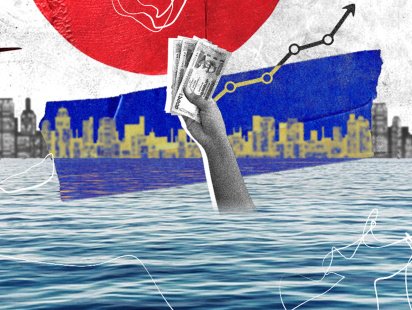


The Permanent Court of Arbitration in The Hague awarded Bangladesh the second half of its maritime victory on July 7, 2014. This decision, following a similar ruling by the International Tribunal for the Law of the Sea in Hamburg against Myanmar two years earlier, granted Bangladesh sovereign rights over approximately 118,813 square kilometers in the Bay of Bengal. Despite the anticipation of a “blue economy revolution” following these awards, progress in tapping into these resources has been slow.
Established in 2017, the Blue Economy Cell aimed to explore opportunities in various sectors within the new maritime territory, including fisheries, deep-sea hydrocarbons, shipbuilding, marine biotechnology, and tourism. However, challenges have persisted. Fish catches in the marine territory declined in recent years, and deep-sea hydrocarbon exploration efforts have not yielded significant commercial results. Moreover, critical plans such as the marine spatial plan recommended by the World Bank remain in draft form, reflecting a lack of effective inter-ministerial coordination.
In the upcoming fiscal year budget, Tk 200 crore has been allocated for the blue economy, including funds for research and development initiatives, seaweed cultivation, marine protected areas, and infrastructure upgrades. While this allocation signifies a positive step towards prioritizing the blue economy, the key lies in developing the necessary research capacity and institutional framework to effectively utilize the maritime resources gained by Bangladesh.
Despite the successful legal battles for maritime rights at The Hague and Hamburg, Bangladesh lacks a robust domestic governance structure to manage its maritime assets effectively. The absence of a national maritime commission and a shortage of experts in relevant fields pose challenges in steering strategic decisions and negotiations in the increasingly competitive maritime landscape.
As neighboring countries like India and China enhance their maritime engagement strategies, Bangladesh must focus on building expertise and institutional capacity to navigate complex maritime agreements and opportunities. Leveraging the expertise of Bangladeshis holding senior positions in international maritime organizations could provide valuable insights for shaping national maritime policies and engagements.
Establishing an Ocean Affairs Advisory Council could facilitate collaboration between domestic policymakers and diaspora specialists across various maritime sectors. By investing in human capital and institutional frameworks, Bangladesh can better capitalize on its maritime resources and shape its maritime destiny effectively.
The past decade has highlighted the distinction between winning legal battles for maritime rights and effectively governing the acquired territories. The decisions and investments made now will determine whether Bangladesh’s maritime assets contribute to its own economy or serve as leverage in regional dynamics. Building the necessary institutional capacity and expertise is crucial for maximizing the potential of Bangladesh’s maritime resources.