
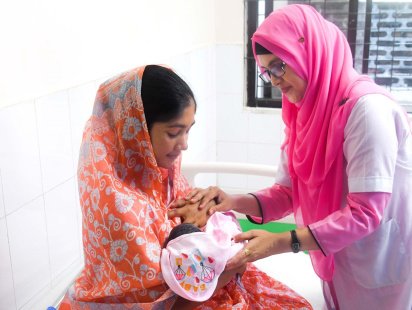


May 5th is designated as the International Day of the Midwife, focusing this year on the theme “One Million More Midwives.” In Bangladesh, this initiative represents the ongoing effort to build upon previous achievements in reducing maternal mortality rates and establishing a professional midwifery workforce providing high-quality reproductive health services and respectful maternity care. The country has been commended globally as a “Champion Country” for its strides in this area.
The United Nations Population Fund (UNFPA) has played a significant role as the primary technical partner in this journey, collaborating with the Government of Bangladesh for more than 15 years. Together, they have worked on developing internationally recognized midwifery training programs, faculty, and regulatory frameworks. Presently, over 11,000 midwives in Bangladesh have completed their education and are licensed to practice.
Despite these advancements, the deployment of midwives has been slower than desired, leading to persistently high maternal and newborn mortality rates. Approximately 4,000 women lose their lives each year during childbirth in Bangladesh. The country’s commitments to midwifery have yet to fully materialize into a sufficient number of professionals aiding in saving lives. Recognizing the critical role of midwives as an investment in women’s health and national development is essential to accelerate progress.
The impact of midwifery extends beyond health, also contributing significantly to the economy and resilience of a nation. By adhering to international standards, midwives can provide a vast majority of essential reproductive health services, minimizing the need for unnecessary medical interventions. Economically, investing in midwifery has shown a remarkable return, with data suggesting that every dollar invested can yield up to 16 times the initial amount. Moreover, in a climate-vulnerable country like Bangladesh, midwives play a crucial role in ensuring continuity of care during natural disasters and crises.
To fully realize the benefits of midwifery, it is imperative to provide midwives with proper training, support, and resources. This includes ensuring their education in accredited institutions, licensing, fair remuneration, and the autonomy to practice their full range of skills. Additionally, health facilities must be adequately equipped with essential supplies and infrastructure to enable midwives to deliver life-saving care effectively.
Looking ahead, Bangladesh aims to establish around 25,000 midwifery positions in primary health centers by 2030. The strategic placement and swift deployment of midwives in these centers are crucial steps in further enhancing the country’s healthcare system and overall resilience. Investing in midwives not only improves women’s access to quality care but also contributes to the nation’s progress towards achieving ambitious development goals.
The progress made so far is a testament to the collaborative efforts of the government and people of Bangladesh. Moving forward, continued support from organizations like UNFPA is essential to ensure that these new midwifery positions are filled by skilled professionals who are valued for their expertise. Empowering midwives translates to saving lives and securing a healthier future for Bangladesh.
By empowering midwives and enhancing their presence in communities, Bangladesh can establish a network of accessible and reliable care for mothers across the country. This approach not only leverages existing infrastructure but also brings life-saving services closer to those in need.
In conclusion, the focus on midwifery underscores the commitment to improving women’s health and well-being in Bangladesh. By investing in midwives, the nation can pave the way for a brighter and healthier future for generations to come.