
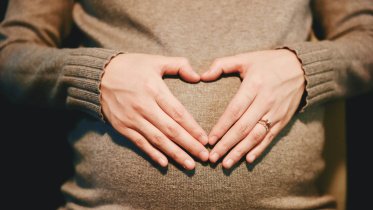


During the sacred month of Ramadan, fasting holds great significance for Muslim individuals, both men and women alike. Many feel a deep emotional connection to observing fasts during this period, including pregnant and lactating women who often express the desire to partake in fasting. For expectant mothers, following specific nutritional guidelines allows them to fast in a healthy and safe manner.
In the initial three months of pregnancy, also known as the first trimester, pregnant women typically do not require additional nutritional supplements beyond their regular dietary intake. This implies that, with adequate food and water consumption between iftar and sehri, expectant mothers may engage in fasting. Nonetheless, seeking medical advice from a healthcare provider is crucial before committing to fasting.
As the pregnancy progresses into the second and third trimesters, the baby undergoes rapid development, leading to an increased demand for essential nutrients such as proteins, vitamins, and minerals in the mother’s diet. If the mother can fulfill these nutritional needs effectively between iftar and sehri and her doctor has not imposed any medical restrictions, fasting during Ramadan can be maintained healthily.
A well-rounded diet for expectant mothers should incorporate two to three servings of high-quality proteins like fish, meat, eggs, milk, and a variety of lentils. Additionally, a mix of nuts and two to three servings of dairy products daily are recommended. Since the baby is growing in size during this stage, consuming small, frequent meals is preferable over large portions to support proper nutrition and digestion.
Adequate hydration during iftar is paramount, and including a variety of colorful fruits and vegetables in the daily diet is essential. Maintaining a balanced diet ensures that the mother’s nutritional requirements are met without indulging in excessive eating at once.
Furthermore, incorporating prebiotic and probiotic foods into the diet is beneficial. Consuming a bowl of yogurt during iftar daily is recommended. A diverse diet comprising colorful vegetables and a minimum of two to three naturally colored fruits and vegetables supports overall health throughout Ramadan.
By following these dietary recommendations, pregnant women can fast safely and healthily during the holy month of Ramadan.