
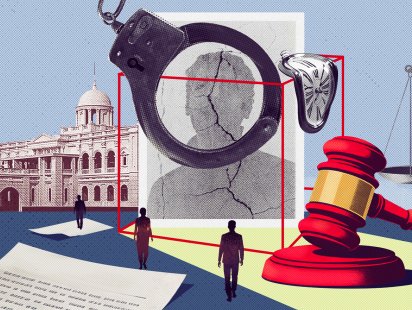


In August 2025, a piece in Prothom Alo highlighted the arrest of Dr. Tawfiq-e-Elahi Chowdhury, former adviser to ousted Prime Minister Sheikh Hasina, by the International Crimes Tribunal (ICT) in October 2024 on allegations of crimes against humanity. The article argued against the lack of substantial evidence justifying his prolonged detention, which has now extended to 15 months without any formal charges.
His continued detention at this stage raises concerns about potential violations of the ICT’s procedural rules. According to Rule 9(5) of the ICT Rules of Procedure, investigations should be completed within one year of arrest. If not completed within that timeframe, the accused may be released on bail under certain conditions, with prolonged detention beyond one year requiring exceptional circumstances that must be documented.
The question arises as to why Dr. Chowdhury remains in ICT custody without any clear identification of exceptional circumstances justifying his ongoing detention. Similar concerns apply to seven other detainees, including former ministers and members of parliament, who have been held for over a year without formal charges, possibly contravening the Tribunal’s legal framework.
While the Tribunal claims to adhere to international standards following amendments to the law in 2024, concerns persist regarding pre-charge detention practices. Lord Carlile KC, a legal expert assisting one of the detainees, criticized the lack of legal credibility in the procedures and emphasized the importance of evidence presentation before prolonged detention.
Maintaining due process and upholding the rule of law, even in politically sensitive cases, is crucial for ensuring justice. The application of Rule 9(5) by the ICT to grant bail to long-term pre-charge detainees is essential in upholding fair trial processes and avoiding populist pressures.
The call for adherence to the rule of law by the new prime minister, Tarique Rahman, underscores the importance of reconciliation within Bangladesh through legal frameworks. Upholding procedural fairness and due process is fundamental to ensuring justice and accountability, even in challenging circumstances.
(The ICT prosecution office did not provide comments on the matter.)
David Bergman, a seasoned journalist covering Bangladesh extensively, expresses his views on these developments.