
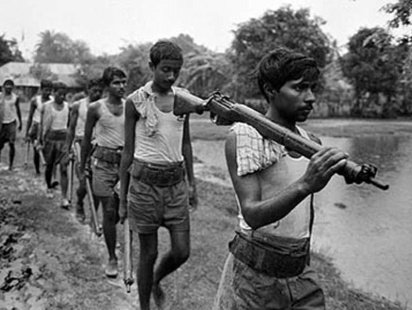


The introduction of a new resolution in the US House of Representatives by Congressman Greg Landsman on March 20, 2026, seeking official acknowledgment of the 1971 genocide in Bangladesh is significant due to the historical context. The United States was not a passive observer during the events of 1971 in East Pakistan. Archer K Blood, the former US consul general in Dhaka, explicitly communicated the situation to the State Department. Despite this knowledge, the Nixon administration pursued a policy that favored Pakistan for strategic Cold War reasons, including its efforts to engage with China.
While the recent resolution is a notable development, it is not a sudden awakening to the truth by America but rather a call from a US lawmaker for the government to rectify its past stance on the matter.
Bangladesh should temper its celebrations, as this is not the first such initiative in Congress. In 2022, House Resolution 1430, introduced by Steve Chabot and Ro Khanna, acknowledged the atrocities committed against ethnic Bengalis and Hindus as genocide, urging Pakistan to acknowledge its role and issue an official apology. However, that resolution did not progress beyond the committee stage. The latest resolution renews the discussion but with a narrower focus, recognizing the mass killings of Bangalees of all faiths while specifically calling on the US president to acknowledge the atrocities against Bangalee Hindus and omitting the direct demand for an apology from Pakistan.
The events leading to the 1971 genocide were triggered by the denial of a democratic election outcome and the subsequent persecution of the people. The brutal Operation Searchlight launched by the Pakistan army and local collaborators resulted in widespread killing, rape, persecution, and forced displacement. Reports from US diplomats referred to it as “selective genocide,” while Senator Edward Kennedy highlighted its “genocidal consequences.” Various international bodies, including the International Commission of Jurists and the International Association of Genocide Scholars, also recognized the gravity of the situation. The issue has long been less about evidence and more about power dynamics and convenience.
The timing of the resolution, just before Bangladesh’s National Genocide Remembrance Day on March 25, aligns with a growing trend of historical acknowledgment by organizations like the Lemkin Institute, Genocide Watch, and the IAGS, making it harder to ignore. Diaspora lobbying has played a role in raising awareness, with constituents influencing lawmakers like Steve Chabot and Greg Landsman.
The resolution’s theoretical importance lies in challenging genocide denial and exposing the historical gap between what US officials knew in 1971 and what the government acknowledged. While it may not have practical legal implications as a House Resolution, it can exert moral and narrative pressure on countries like Pakistan. However, the current draft, which does not directly demand an apology from Pakistan, may reduce the pressure compared to the previous version.
Bangladesh should not merely applaud international recognition but actively engage in a diplomatic campaign to garner broader support for the resolution. By mobilizing various resources and stakeholders, Bangladesh can push for a comprehensive acknowledgment of the genocide and resist any attempts to dilute its historical significance.
In conclusion, the resolution signifies a collision between old facts and past hypocrisies, emphasizing the importance of addressing historical injustices. Bangladesh should approach this moment with gratitude, vigilance, and a commitment to preserving the true narrative of the events of 1971.